


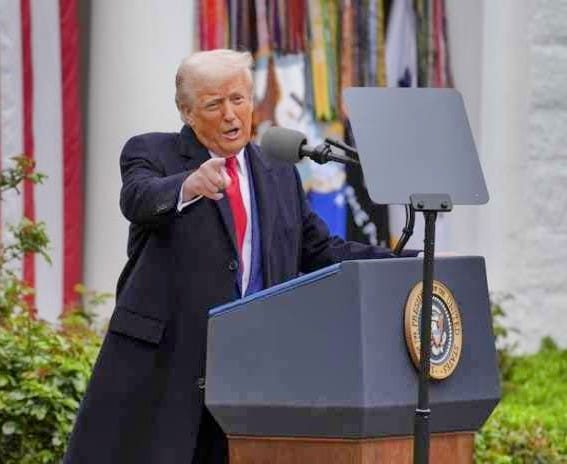
A new wave of sweeping global tariffs introduced by US President Donald Trump has come into effect, targeting 60 countries that he labelled the “worst offenders” in global trade.
The controversial policy move includes an unprecedented 104% tariff on imports from China, the world’s largest exporter.
The tariffs, part of Trump’s broader protectionist agenda, are expected to have significant implications for global trade flows, supply chains, and international economic relations. Among the affected nations are key U.S. trade partners in Asia, Europe, and Latin America.
According to Trump, the measures are intended to protect American manufacturing, reduce the trade deficit, and punish countries that he claims have engaged in unfair trade practices.
“We’re taking bold steps to bring jobs back to the U.S. and stop foreign countries from cheating our workers,” he said in a statement.
China, the primary target of the new tariffs, has strongly condemned the move, calling it “economic coercion” and a serious threat to global trade stability. In response, Beijing has hinted at countermeasures that could escalate already tense trade relations between the two economic giants.
Trade experts warn that such high tariffs could spark retaliatory actions, raise prices for American consumers, and strain diplomatic relations. The global business community is also bracing for disruptions, especially in sectors heavily reliant on Chinese goods, such as electronics, machinery, and automotive parts.
While Trump’s supporters hail the move as a necessary defence of U.S. interests, critics argue that the tariffs risk isolating the country and undermining international cooperation at a time when global economic recovery remains fragile.
As the world watches how affected countries respond, the long-term impact of Trump’s aggressive tariff strategy remains uncertain.
Source: Agencies