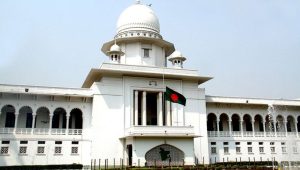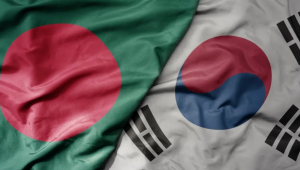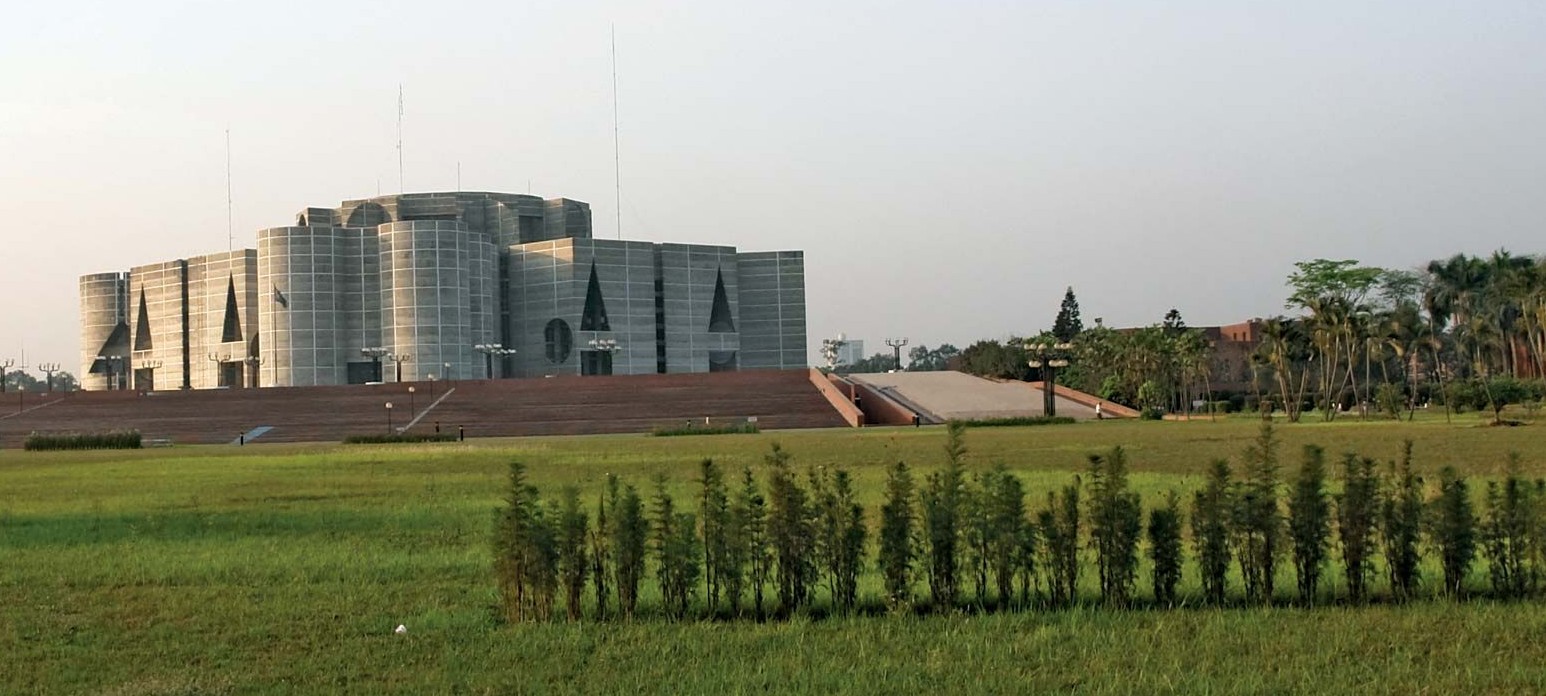




If Greenland were to melt completely, it would cause a global rise in ocean levels of around seven metres. A study shows that the Arctic is warming at around four times the global average. The low-lying country will not sign any agreements, host any bases, or be seated at any tables in the Arctic. However, they will pay for the future of the Arctic through loss of land, salty fields and displaced families. When the agreement was signed between Washington, Copenhagen and Nuuk in New York last month, the focus was on who will control Greenland. The countries that will be paying the price are left in the middle.
As the shortest maritime route between the United States and Russia, the Arctic is a key area for missiles, submarines and ships. In January, the White House stated that gaining control of the Arctic is a national security priority and would not rule out the use of force. This is why, if there were an attack on the Arctic, it would mean the end of NATO. On September 22, the three governments signed a document that increases the American military presence in Pituffik Space Base. It also creates new defence areas at Narsarsuaq and Mestersvig. The document ensures no non-NATO military forces or sensitive foreign investment will be on the island. It also reinforces the integrity of the Danish territory and autonomy of Greenland.
Washington and Copenhagen referred to it as a victory. It’s interesting that the most powerful military force could not negotiate for access and had to accept a contract. This is due to geographical reasons. Missiles, submarines and supplying across the North require territory, sensors and knowledge from a third party. America only has one territory in the Arctic, Alaska. This can be viewed in three ways by international relations scholars. Realism would suggest that the most powerful state would take what it can. However, the most powerful state realised that having capabilities does not mean it is independent and that having an alliance increases its power. Liberal institutionalism would suggest that having rules makes cooperation easy. This deal updates a 1951 defence pact and has no end date. It also has conditions on who can invest.

The Arctic Council, where the eight Arctic states and Indigenous groups would work together on scientific and environmental issues, was paused by the other seven members in March 2022 and has struggled to function since. Constructivism looks at the beliefs that influence behaviour. For three decades, there was a common belief that the Arctic could be a zone of peace, known as Arctic exceptionalism. When this failed, so did the practices. The new belief is that the Arctic is a great power frontier. This means the funding is going towards bases and icebreakers rather than scientific research.
The map shows why this is so urgent. Russia own around half of the Arctic coastline and is looking to China for funding and technology. China considers itself a quasi-Arctic state and therefore incorporates the Arctic into its Polar Silk Road. Research shows that Russia are cautious about becoming dependent on Beijing and has limited cooperation with China on critical minerals. China is also increasing their fleet, meaning it is gaining the upper hand. It is naïve to think of them as one block. By completely isolating both countries, they may push together. The NATO exclusivity makes sense for defence but creates blocks on the map.




For Washington, this is a lesson. There is no one command in the U.S. military responsible for the entire Arctic. Building trust with allies and Indigenous communities who have more knowledge of how the environment is changing than any sensor is crucial. Greenlanders hosting the new activity are waiting to see how the costs and benefits will balance.
The ice is not being taken on by anyone. There should be a scientific and monitoring element to any security package in the Arctic, and this should be open to non-Arctic states. Experts believe scientific knowledge is the key to security. Western governments should ensure that narrow passages are protected with Russian scientists to gain climate data. This has already caused issues with research. Climate-vulnerable states should no longer see the Arctic as someone else’s chessboard. They should increase their research capabilities, engage formally with Arctic scientific groups and use UN climate forums to tie militarisation to sea level exposure.
Washington has learnt a lesson from the Greenland deal. No matter how powerful a state is, it cannot own the Arctic alone. A security deal can be signed in one afternoon by three governments but will affect people across the oceans for decades. We need an accountable Arctic, not just a secure one. The ice melting in Greenland will not stay there, and neither will the cost.

The views expressed in this article are solely those of the author
The writer is a Student, Department of International Relations, Jahangirnagar University. Email: [email protected]