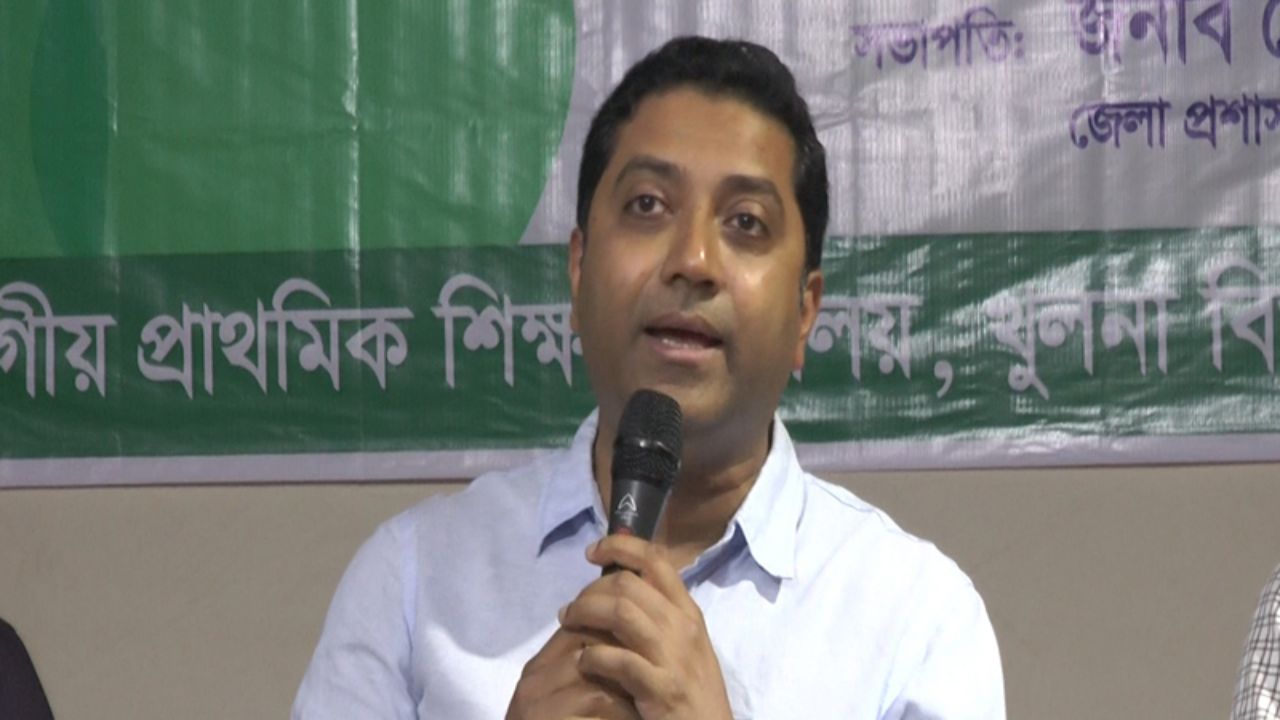
As Tarique Rahman prepares to enter office as prime minister in a few days, he faces a reality that few elected leaders face from the start: an overwhelming mandate with little room for error.
This is not a typical shift, but rather a test of whether power, once restored, can be checked. Public expectations are high, patience is limited and any early mistakes will be proved costly for him.
The first battle for him and his party is internal. BNP returns to power after two decades, not just with popular support, but also with unresolved governance issues. Controlling excesses by party leaders and activists, particularly at the grassroots, will determine whether the new government under his premiership consolidates or wastes power.
If extortion, land seizures or score-settling reappear under BNP protection, the government’s legitimacy will erode rapidly. Tarique’s leadership will therefore be judged on his ability to discipline his own ranks before attempting to restructure the state.

Law and order is the second and most immediate stress test. Citizens demand security rooted in fairness, not fear. Police reform and depoliticisation of the administration are no longer optional – they are prerequisites for legitimacy.
Any indication that law enforcement is again being used to intimidate rivals would revive anxieties of authoritarian relapse and drain the moral capital that delivered BNP its landslide.
Economic governance poses the most complex challenge and the greatest political risk. Scandals in the banking industry, regulatory capture and capital flight have all eroded confidence.


To restore discipline, especially in state-owned institutions, the new government must deal with powerful interests that go beyond party lines. If no significant action is taken, claims to stabilise the currency, boost investment, or restore growth will not be believable. Postponement will not maintain stability; it will exacerbate vulnerability.
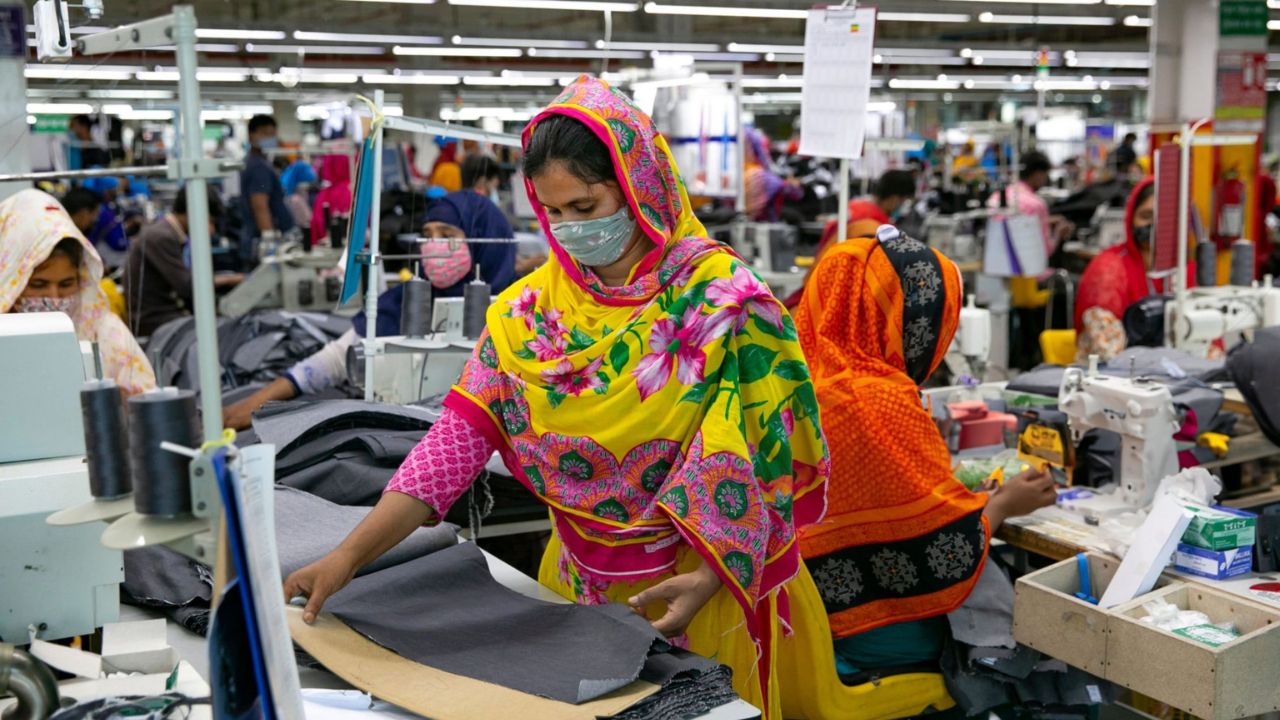
Jobs, particularly for educated youth, form the pressure point where economics meets street politics. A generation that mobilised for political change now expects opportunity, not explanation.
Employment growth cannot be engineered through public hiring alone; it depends on private investment, skills alignment and credible industrial policy. Failure risks converting post-election hope into disillusionment.
The democratic nature of the government will be determined by how Tarique’s new administration handles the opposition. Jamaat-e-Islami emerged as the main opposition in the election and how BNP deals with the party will be closely watched at home and abroad.
Even more consequential is the fate of Awami League. Trials of leaders accused of abuses during the July 2024 uprising will test whether justice can be delivered without sliding into retribution. Due process and transparency are essential. So is the longer-term decision on whether—and when—Awami League is allowed to re-enter formal politics.
Foreign policy will quietly constrain these choices. Tarique inherits a regionally exposed position, demanding careful calibration among India, China, Western partners and multilateral lenders. Economic recovery, export access, and energy security all depend on predictable diplomacy—and restraint at home.
Finally, Tarique Rahman’s premiership will be marked by enforcement rather than promises. Can he impose restraint on his own ranks? Can he deliver justice without retribution? Can he exercise authority without centralising power? Bangladesh is entering a phase where democratic repair matters as much as economic revival.
If Tarique institutionalises accountability and restores confidence in the state, his tenure could mark a genuine turning point. If not, it risks becoming another cycle of hope followed by drift and instablity.