Extreme heat is increasingly affecting Bangladesh’s workforce, health and economy, costing the country an estimated $17.5 billion in potential earnings in 2025 alone, according to the 2026 Lancet Countdown Report on Health and Climate Change.
The economic impact is also reflected in lost working hours. Bangladesh lost an average of more than 26 billion potential labour hours annually between 2016 and 2025 because of heat exposure, 71 per cent higher than the annual average in the 1990s, the report found.
The burden is particularly severe for vulnerable groups, including infants, older people and outdoor workers. Between 2021 and 2025, infants were exposed to an average of 7.6 heatwave days annually, while people aged over 65 faced 7.2 days.
These figures were 162 per cent and 136 per cent higher, respectively, than the 1986-2005 average.
The report also estimated that heat-related deaths among people aged over 65 cost the economy an average of $3.8 billion annually during 2021-2025. This was equivalent to around 216,000 annual incomes and nearly five times the average economic cost recorded in 2000-2004.

The Bangladesh findings were presented at a national dissemination event at BRAC Centre Inn in Dhaka on Monday, organized by the Centre for Climate Change and Environmental Research (C3ER) and moderated by Iqbal Kabir, coordinator of Climate Change and Health Promotion Unit (CCHPU) under the Ministry of Health and Family Welfare (CCHPU) at BRAC University.
The report warns that climate-related health threats have worsened more rapidly during 2016-2025 than in the previous decade, highlighting the growing need to make public health a central part of climate policies and funding decisions.
Air pollution is adding to the country’s health burden. Human-caused fine particulate matter (PM2.5) pollution was linked to an estimated 239,000 deaths in Bangladesh in 2023.



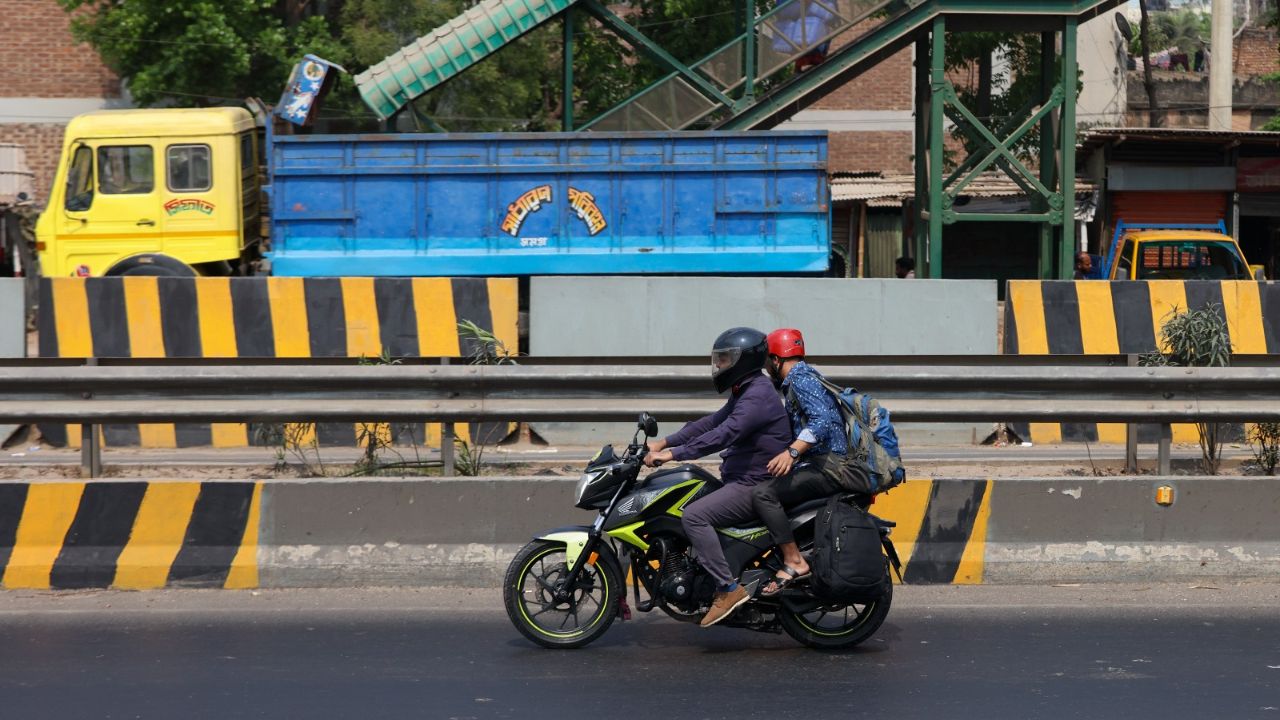
Deaths associated with this pollution increased by 40 per cent between 2016 and 2023, with fossil fuels accounting for 37.5 per cent of the deaths in 2023.
Household air pollution alone was linked to 77,500 deaths in 2023, down from 90,700 in 2016.
Despite these health risks, Bangladesh’s energy system became 9.9 per cent more carbon-intensive between 2016 and 2023. Net fossil fuel subsidies also reached $5.3 billion in 2024, equivalent to 52.9 per cent of the country’s health budget, according to the report.
Delivering the keynote presentation, Shouro Dasgupta, an environmental economist at Fondazione CMCC and visiting senior fellow at the Grantham Research Institute, outlined the economic and health consequences of rising temperatures and air pollution.
Ziaul Haque, additional director general of the Department of Environment, said the 2026 Lancet Countdown report provides important evidence of climate-related health risks, particularly for vulnerable communities.

Atiq Rahman, executive director of the Centre for Advanced Studies (CSD), said climate change and health were directly connected. Rising temperatures were severely affecting working people, while mothers and children were becoming increasingly vulnerable to climate-related health risks, he added.
Prof Marina Romanello, executive director of the Lancet Countdown at University College London, said climate-related health impacts were increasing faster than the global response, despite progress in clean energy and health-system preparedness.
Ainun Nishat, emeritus professor at the Centre for Climate Change and Environmental Research at BRAC University, said the report provided an important evidence base, but Bangladesh’s response needed to reflect local realities.
“Many people have no choice but to work outdoors, even during extreme heat. If global temperatures continue to rise at the current rate, the average temperature could increase by 3.5°C by the end of this century,” he said.
He stressed the need to implement the Health National Adaptation Plan, with particular attention to food security, nutrition and vector-borne diseases.