Bangladesh’s ginger market has witnessed severe instability over the past few weeks, causing concern among consumers and losses for retailers. After prices nearly doubled within a week in both wholesale and retail markets, ginger prices have now started to decline sharply, leaving many small traders struggling to recover losses.
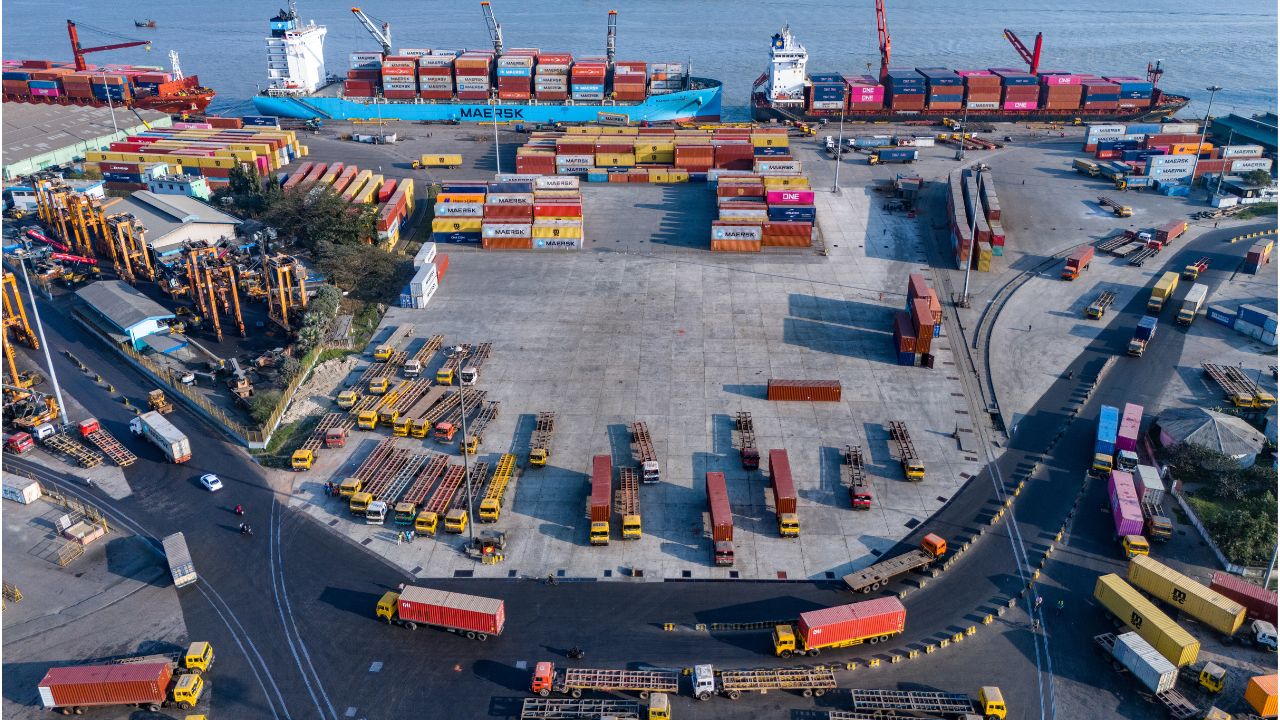
Traders and wholesalers in Chattogram’s Khatunganj market — one of the country’s largest spice trading hubs — alleged that a syndicate of importers and traders created an artificial crisis by delaying the release of imported ginger consignments from the port. According to them, the restricted supply triggered an abnormal surge in prices. However, after administrative intervention and increased market supply, prices have begun to fall.
Businessmen in Khatunganj said the wholesale price of ginger had climbed to as high as Tk200 per kg earlier this week, sparking panic. They claimed the sharp increase was not caused by any real shortage, but by market manipulation.
Khorshed Alam, owner of Mohammadia Store in Khatunganj, said wholesale ginger prices stood at Tk145 per kg on 23 May, up from Tk112 per kg a week earlier. “Within a couple of days, the price suddenly shot up to Tk200 due to manipulation by syndicate groups,” he said.

Traders said ginger imports from India via land ports remain high, while imports from China and Sri Lanka continue normally. As supply now exceeds demand, syndicate groups have reportedly failed to maintain inflated prices. Currently, local, Chinese and Sri Lankan ginger are available, with Chinese ginger dominating. Local ginger is cheaper, selling at around Tk110 to Tk112 per kg.
Despite the decline in wholesale prices, retail prices remain high. Retail traders in different markets said ginger is still being sold at over Tk180 per kg. Retailers are among the worst affected, purchasing ginger at high rates and forced to sell lower after the market corrected.




Manik Chandra Das, owner of Manik Store in Mirsarai, described the situation as disastrous for small retailers. “At the beginning of May, ginger was selling at Tk120 to Tk125 per kg. But within days, prices jumped sharply, reaching Tk220 per kg a week ago. Now we buy at around Tk150 and sell at Tk170, losing Tk30 to Tk35 per kg,” he said.
Spice traders in Khatunganj echoed concerns, saying the recent spike was driven by syndicate activities. With the artificial shortage easing, wholesale ginger prices dropped around Tk55 per kg within a week.
Meanwhile, Chattogram district administration acted ahead of Eid to ensure ginger supply. Authorities expedited the release of imports from Chattogram Port. Deputy Commissioner Mohammad Zahidul Islam Mian said 41 containers were stuck at the port. “We coordinated with the Customs Commissioner, and 37 containers have been released. Ginger prices in wholesale and retail markets have already dropped around Tk40,” he said.
Data analysis shows ginger imports through Chattogram Port in 2026 cost around Tk108.11 per kg. The Plant Quarantine Station (Sea Port) under the Department of Agricultural Extension reported 45,538 metric tonnes imported via Chattogram Sea Port between July and 10 May of FY2025–26.
Monthly imports rose steadily: 2,969 tonnes in January, 4,452 tonnes in February, 4,631 tonnes in March, 5,936 tonnes in April, and 3,839 tonnes in the first ten days of May.
Total imports through Chattogram Port were 40,432 tonnes in FY2023–24 and 26,230 tonnes in FY2024–25.
Industry insiders said annual demand exceeds 300,000 tonnes, with the domestic market valued at Tk3,000–3,500 crore. Imports meet 42–45 per cent of demand, mainly via Chattogram Port and Indian land ports, while domestic production in FY2022–23 stood at around 192,000 tonnes.