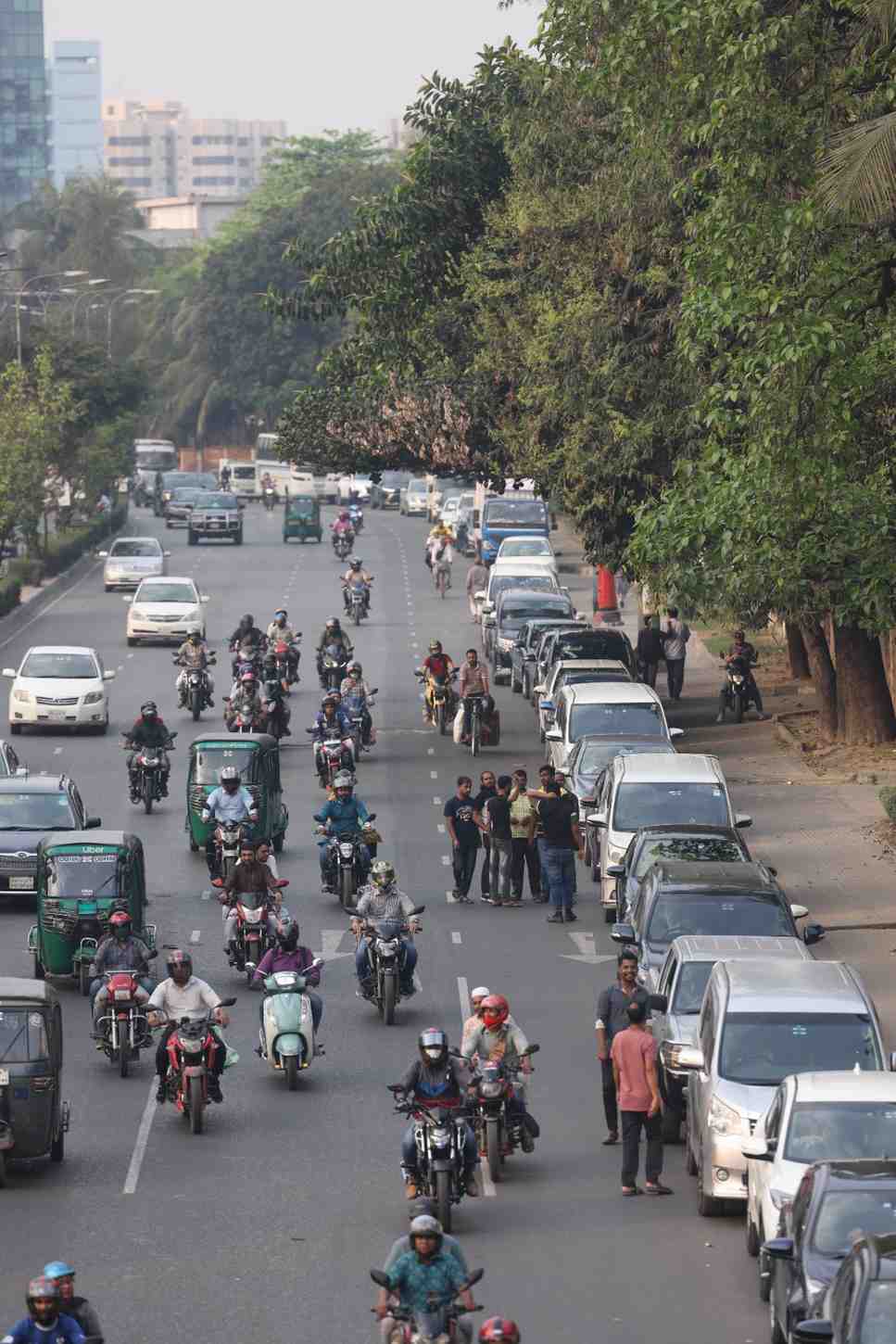
The queues begin early in the morning. Long before offices open and schools ring their bells, lines of motorcycles, cars and microbuses slowly stretch along the roadside, testifying to Bangladesh’s ongoing fuel rush.
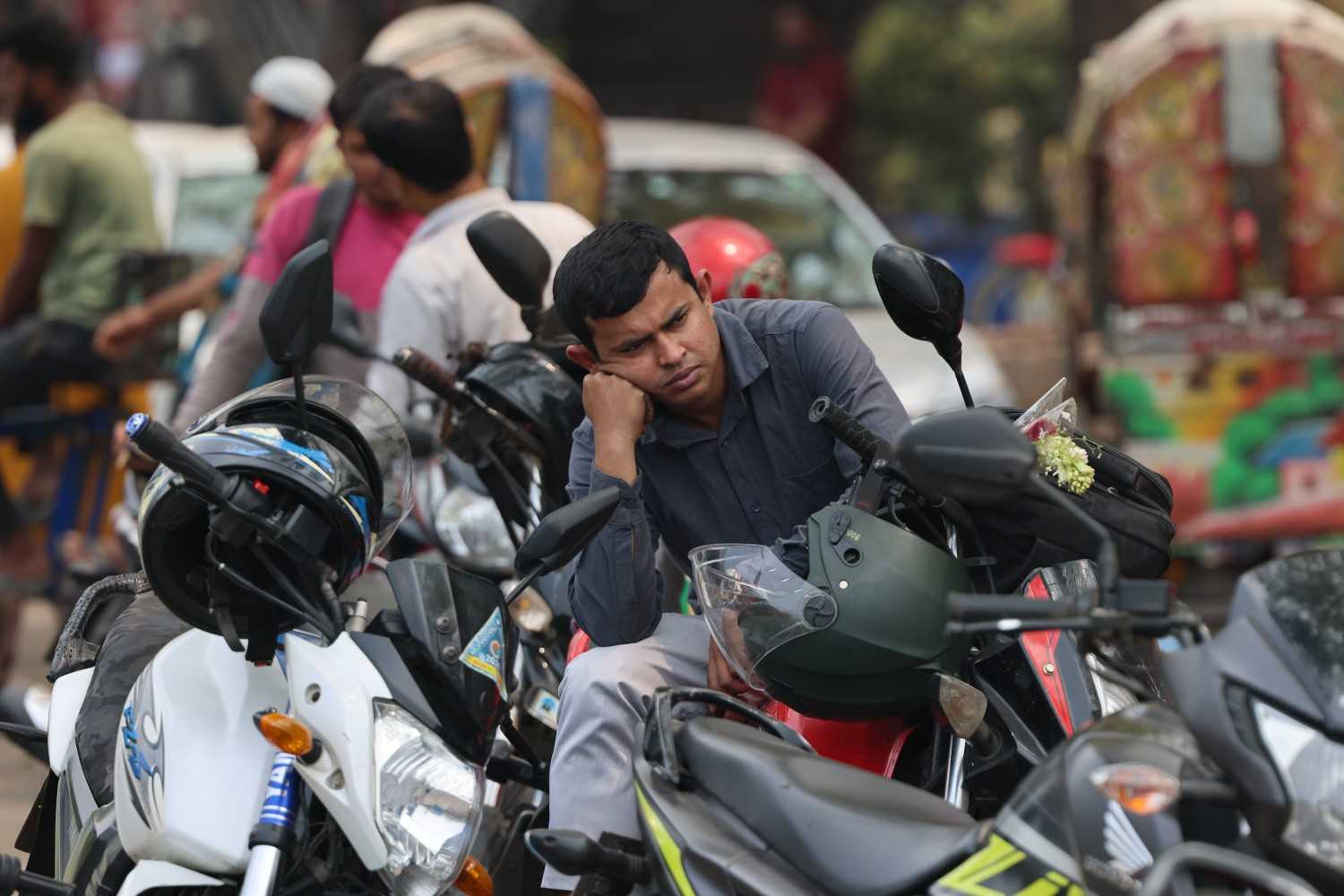
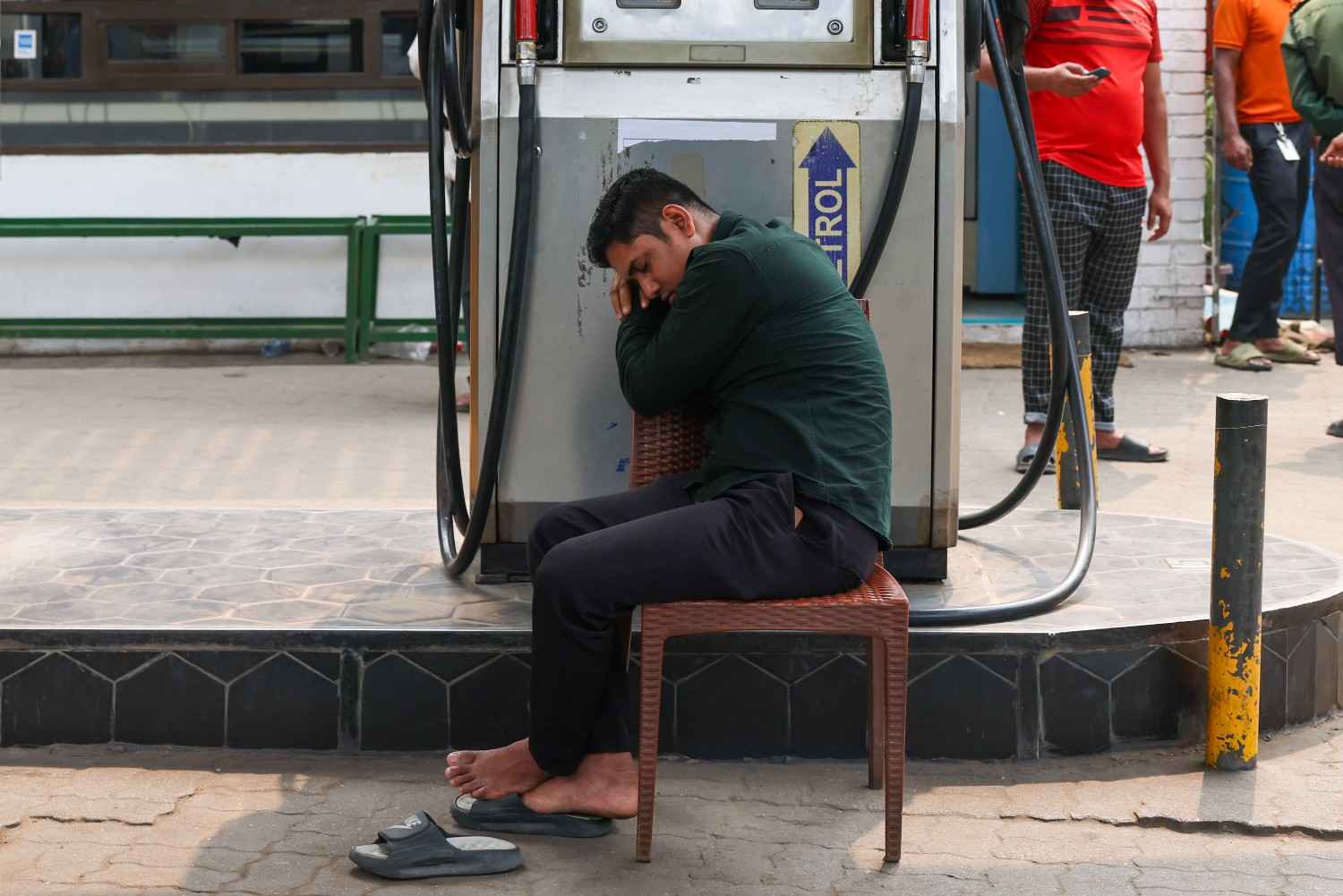
At many filling stations in Dhaka and other cities, drivers now wait for hours, hoping the pumps will not run dry before their turn arrives. Some sit patiently on their bikes scrolling through their phones, while others lean against vehicles, visibly tired and frustrated. What once used to be a quick stop for fuel has suddenly turned into a long and uncertain wait.
For many commuters, the situation is more than just an inconvenience; it is disrupting daily routines. Ride-sharing drivers say they are losing valuable working hours simply waiting in line. A motorbike rider working with a delivery service said he sometimes spends nearly half his shift at petrol stations. “If I cannot get fuel, I cannot work,” he said while watching the slow-moving queue ahead.

Interestingly, the rush for fuel is not necessarily due to a complete shortage of supply. Much of it is being driven by fear and uncertainty. The ongoing tensions and conflict in the Middle East have shaken global energy markets, raising concerns that oil shipments passing through crucial routes such as the Strait of Hormuz could face disruptions. Since Bangladesh depends heavily on imported fuel and liquefied natural gas from that region, even the possibility of supply interruptions has made many motorists anxious.




As news of the geopolitical tensions spread, drivers began flocking to petrol stations to fill their tanks earlier than usual. Reports suggest that daily petrol demand has temporarily surged from around 1,300 tonnes to more than 2,300 tonnes. Energy officials say this sudden spike in demand, largely fuelled by panic buying, has created what they describe as an “artificial shortage” at several filling stations, despite the country still having fuel reserves and shipments expected to arrive.
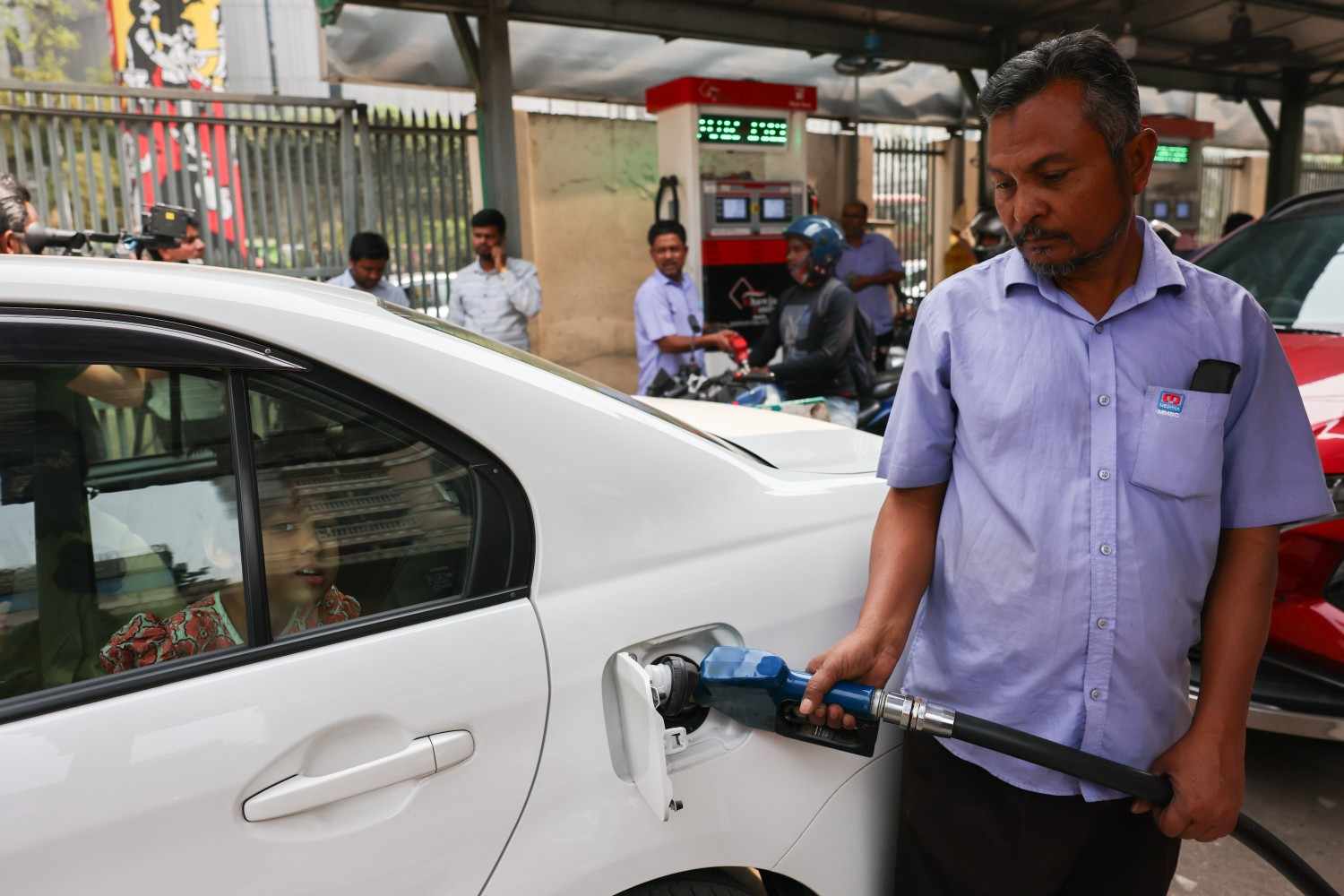
A Pathao rider shared his frustration and said, “I waited 4 hours yesterday in the queue, but the pump was dry before my turn. Then I had to buy fuel from a local store where they illegally sell it. It was Tk 200 a litre. I think the government should do something about it.”
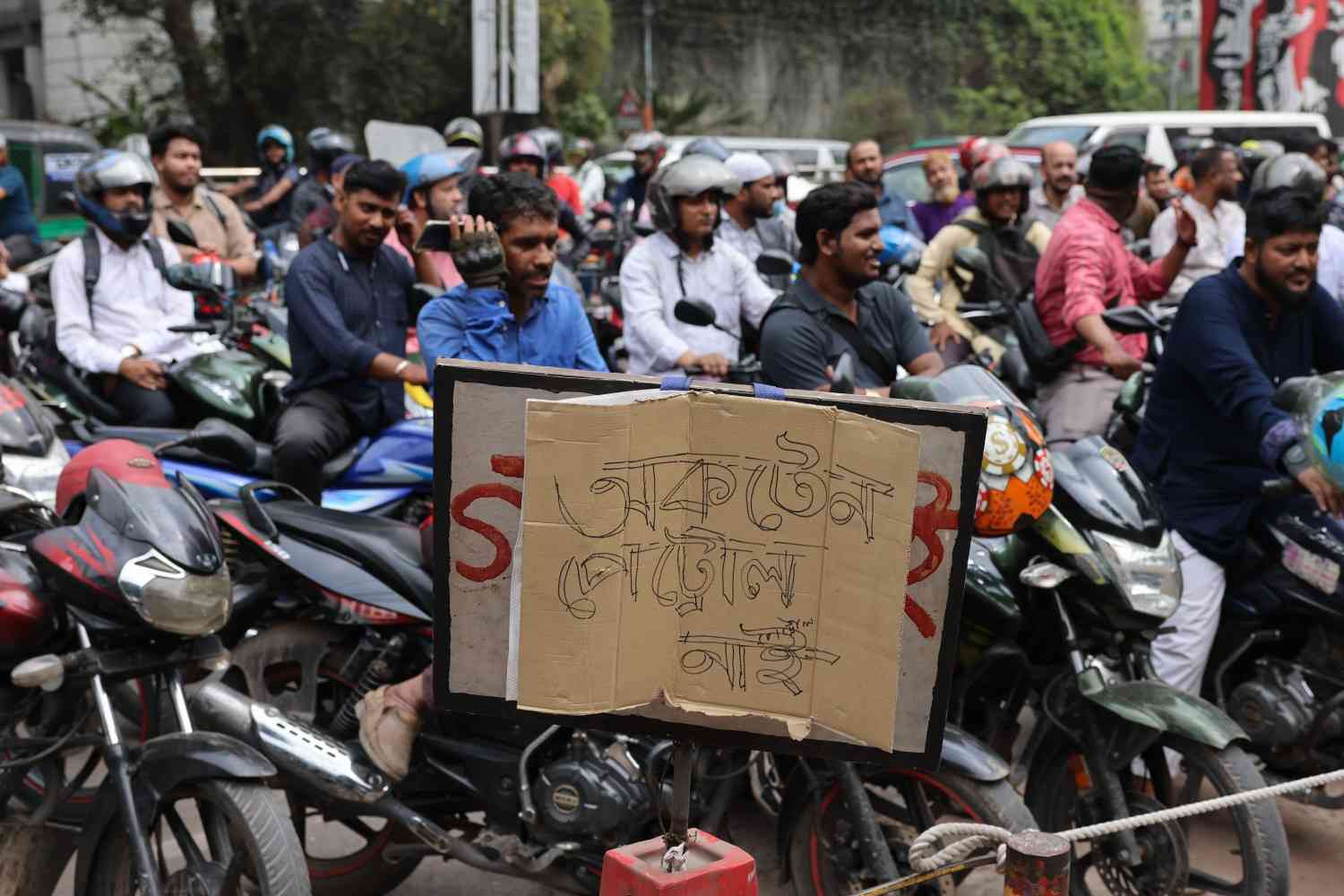
The ripple effects are already visible across the city. Long queues of vehicles occupy parts of busy roads, adding to traffic congestion. Some public transport operators have also reduced trips due to uncertainty around fuel availability, making daily commuting more difficult for passengers.
Yet amid the frustration, there is also quiet resilience. Strangers strike up conversations while waiting in line, sharing updates about which stations might still have fuel. For now, Bangladesh’s roads are telling a simple story, one long queue at a time.