






Mounting pressure from heavy domestic debt repayments has prompted the Finance Division to roll out budget implementation plans for ministries to address long-standing weaknesses in spending discipline.
Close to Tk1 lakh crore is now being repaid annually in domestic debt, a burden aggravated by poor coordination, inefficiencies in budget planning and monitoring, and a persistent rush of expenditure in June, officials said.
Weak revenue collection in the early months of the fiscal year often leaves the government with little option but to rely on domestic borrowing, deepening fiscal stress, they said.
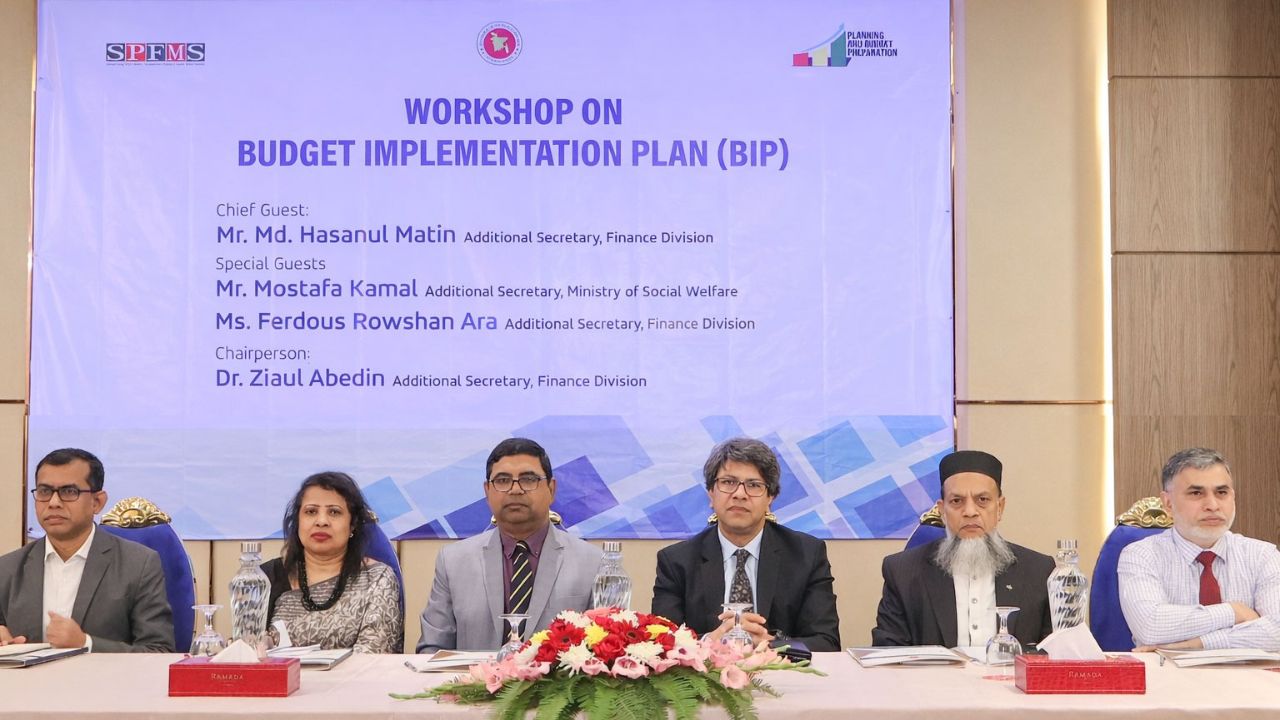
The initiative was discussed at a two-day workshop titled Budget Implementation Plan, held on January 23–24, 2026, at a hotel in Cox’s Bazar, with senior officials from 18 ministries taking part.
Budget execution will now be pushed to start from the beginning of the fiscal year rather than being concentrated towards the end, allowing spending to be more timely, outcome-oriented and aligned with public priorities, officials said.
Abnormal government spending in June is closely linked to weak execution planning, and effective budget implementation plans are key to reducing the problem, said Additional Secretary for Budget and Macroeconomics Hasanul Matin, who attended the workshop as chief guest.
Allocations must be assessed against priority and quality benchmarks rather than speed of disbursement, he said, warning that excessive year-end spending inevitably increases borrowing needs.
Evenly phased expenditure throughout the year can significantly ease domestic debt pressure and help restore fiscal discipline, he added.
Operational inefficiencies continue to undermine effective execution, with preparation of implementation plans often dragging into the first quarter of the fiscal year, limiting their usefulness, said Additional Secretary for Budget and National Programme Director of the Strengthening Public Financial Management Programme Ziaul Abedin.
For the plans to be effective, the process must begin earlier and be synchronised with budget approval timelines, he said.
The rapid expansion of the national budget has not been matched by a similar increase in implementation capacity, said Additional Secretary Ferdous Rawshan Ara, describing budget implementation plans as a strategic tool to strengthen transparency, accountability and discipline in public spending.
Sustaining quality development will not be possible without effective implementation plans that ensure value for money, said Additional Secretary for Social Welfare Mostafa Kamal.
Budget implementation plans translate annual allocations into time-bound, activity-based roadmaps by linking budgets with procurement schedules, cash-flow forecasts and quarterly expenditure targets, officials said.
Delayed issuance of plans, fragmented digital platforms, capacity gaps and weak integration among systems such as the annual procurement plan, iBAS++ and e-GP were identified as key obstacles during group discussions.
Timely issuance of plans, improved system integration, realistic budgeting, targeted training and stronger coordination led by the Finance Division were recommended to make the initiative effective, officials said.


