The Dhaka Chamber of Commerce and Industry (DCCI) has urged the government to build a “strategic fuel reserve” and diversify energy import sources to protect Bangladesh’s economy from the fallout of the escalating conflict involving the United States, Israel and Iran.
In a statement, the chamber said on Wednesday the growing geopolitical tensions are already causing turbulence in global energy markets, trade routes and financial systems, posing risks for Bangladesh as a highly import-dependent economy.
International oil prices have climbed above $100 per barrel amid supply disruptions in the Middle East, a region that supplies a large share of the world’s oil and liquefied natural gas exports.
Every $10 increase in global oil prices could raise Bangladesh’s monthly import bill by about $70 million to $80 million, widening the trade deficit and putting pressure on the country’s external sector.

Shipping risks are also rising as the conflict threatens key maritime corridors.
Nearly 20 per cent of global oil and gas supply moves through the Strait of Hormuz, and prolonged disruption along the route could increase freight charges, insurance premiums and delivery times for Bangladesh’s imports and exports.



Export-oriented industries, particularly the ready-made garment sector, may face higher logistics costs, supply chain delays and increased shipping risks, the chamber said, adding that Bangladesh’s exports have already declined over the past seven months due to domestic political and economic challenges.
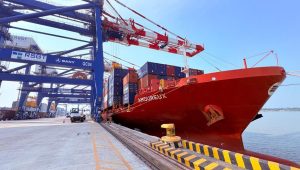
Despite the uncertainty, more than 10 vessels carrying LNG, LPG, diesel and other fuels have recently arrived at Chattogram Port, offering short-term relief to the country’s energy supply situation.
However, the chamber warned that the outlook remains “highly unpredictable”.
If the conflict escalates further, Bangladesh could face higher fuel and electricity generation costs, inflation driven by increased transport and production expenses, pressure on foreign exchange reserves and possible disruption of remittance flows from the Middle East.
To mitigate the risks, DCCI called on the government to take proactive policy measures including building strategic fuel reserves, diversifying energy import sources, ensuring smooth supply chain logistics and strengthening coordination among government agencies, financial institutions and the business community.
The chamber also stressed the importance of diplomatic efforts to promote global peace and stability, saying prolonged geopolitical conflicts could threaten global trade and the economic stability of developing economies such as Bangladesh.