







With the announcement of the schedule for 13th parliamentary elections, political bargaining among alliances has intensified across the electoral field. Smaller parties — long-time allies of larger camps — are now reassessing their positions after failing to secure expected nominations. Several are openly signalling a shift in loyalties, while others have quietly begun exploring alternative alliances.
So far, at least five visible blocs have taken shape ahead of the 12 February election, though political observers believe the number may rise as negotiations heat up. For many smaller parties, the final days before candidate declaration are a delicate calculation of gains and losses — and, increasingly, of survival.
In the absence of Awami League, according to recent surveys and analyses of the situation on the ground, the upcoming election will mainly see a contest between BNP-led alliance and Bangladesh Jamaat-e-Islami’s seat-sharing electoral alliance.
BNP, the country’s largest political party, has already named candidates for 272 constituencies. For the remaining 28 seats, the party says it is prioritising its allies and plans to finalise nominations by next week. But many long-standing partners, denied their expected constituencies, have reacted angrily. Some are openly criticising BNP, while others are staying quiet for strategic reasons.
Speaking to TIMES of Bangladesh, BNP Standing Committee member Nazrul Islam Khan said, “Discontent among smaller partners before elections is nothing new. Even so, we are trying to move forward together.”

Within the Jamaat-centric bloc, however, no significant friction has been reported. Jamaat and Islami Andolan’s like-minded eight-party alliance is preparing to unveil a coordinated candidate list early next week, party leaders say.
Jamaat Assistant Secretary General Ahsanul Mahboob Zubair told TIMES, “We will publish the joint list next week. We attach importance to unity.”
Who is aligned with whom
BNP’s electoral umbrella currently includes the 12-Party Alliance, 11-party nationalist like-minded alliance, five-party Ganatantra Mancha, LDP, Bangladesh Jatiya Party (BJP), National Democratic Movement (NDM), Gono Odhikar Parishad, Jamiat Ulema-e-Islam and Gono Forum. LDP led by Oli Ahmed, though not formally in the alliance, acts as a like-minded partner.



Jamaat’s seat-sharing network includes Islami Andolan, Bangladesh Islami Andolon, Bangladesh Khelafat Majlish, Khelafat Majlish, Khelafat Andolon, Jatiya Ganatantrik Party (Jagpa) and Bangladesh Development Party (BDP).
Separately, National Citizen Party (NCP), Amar Bangladesh (AB) Party and Rashtra Sanskar Andolon have formed Democratic Reform Alliance.
A newly emerged bloc — the Nationalist Democratic Alliance — includes Jatiya Party (JP), Jatiya Party (Anis-Haoladar), Japa (Matin), Muslim League and around 18 smaller groups.
Left-leaning organisations including CPB, Basad, Basad (Marxist), Ganatantrik Biplobi Party, Biplobi Communist League, Samajtantrik Andolon, Bangladesh Jasad, Oikya-NAP and Basad (Mahbub) have formed the Democratic United Front.
Threat of breakaways as seat shockwaves hit BNP allies
Several BNP allies say the party’s 272-seat declaration has marginalised prominent leaders within their own ranks. On Wednesday, in a long meeting at the Nagarik Oikya office in Paltan, 29 BNP allies — including Ganatantra Mancha, 12-Party Alliance, Gono Odhikar Parishad, nationalist like-minded alliance, Nezame Islami Party and Gono Forum — issued a 48-hour ultimatum for a “fair adjustment.” They warned they may leave BNP camp and form a new alliance if demands are not met.
Responding to the pressure, BNP leaders held talks Thursday night with 15 top leaders of the partner parties and assured them of “proper evaluation.”
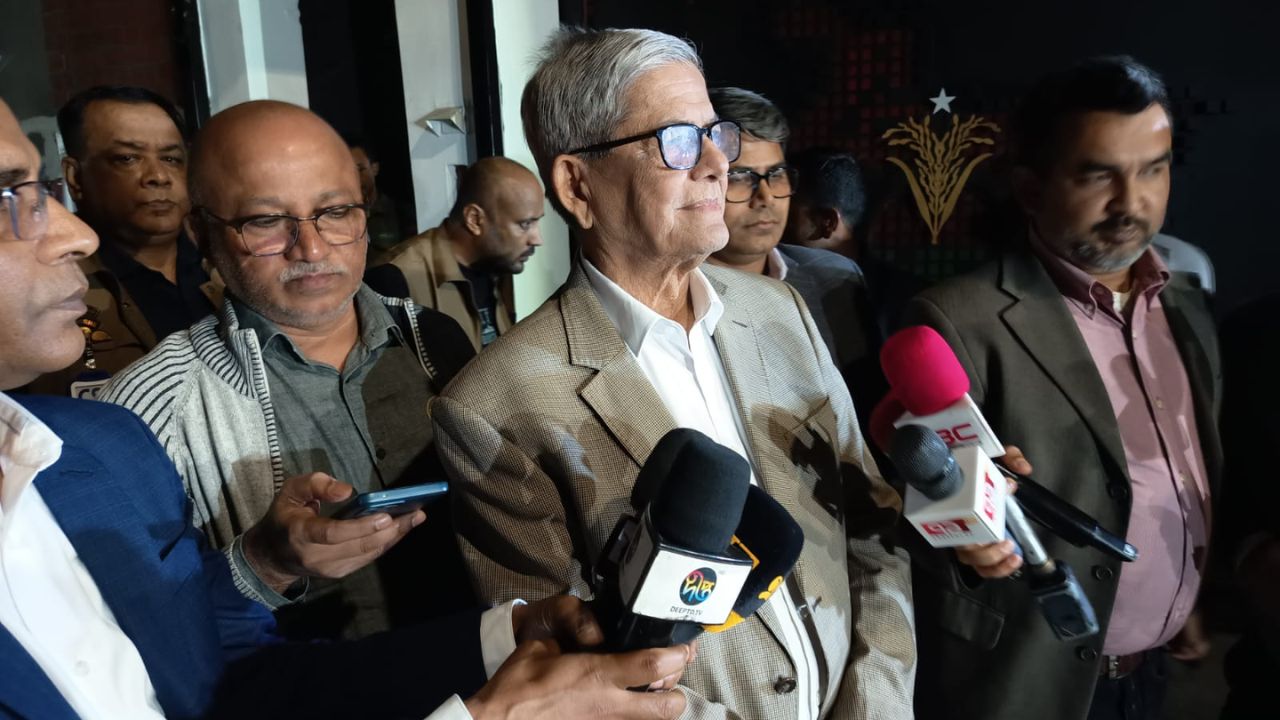
After the meeting, Fariduzzaman Farhad, chief coordinator of the nationalist like-minded alliance and chairman of National People’s Party, told TIMES, “We met senior BNP leaders. They assured us we will be evaluated. We are now waiting for their decision.”
Party sources say if prominent leaders are denied seats, several groups could defect and announce a new coalition — or join another bloc. Labour Party has already quit BNP camp, accusing the party of “betrayal,” and is reportedly seeking accommodation within the Jamaat-aligned alliance.
The Rashtra Sanskar Andolon has also left Ganatantra Mancha and joined hands with NCP amid fears of being denied nominations.
Jatiya Party under GM Quader stands alone
Amid uncertainty, Jatiya Party (JaPa) under GM Quader is preparing to contest the election independently. But the party remains anxious about whether a “level playing field” will materialise.
Once a crucial ally of AL throughout the last four terms, the Jatiya Party finds itself politically weakened after the fall of Hasina government on 5 August last year. The party is still facing public pressure for its role as a “collaborator” of the former administration.
Japa has yet to join any alliance. However, party insiders say it may nominate several “clean-image” figures — including popular personalities with no formal affiliation to AL — alongside its own candidates. The party plans to unveil its list soon after the election schedule.


