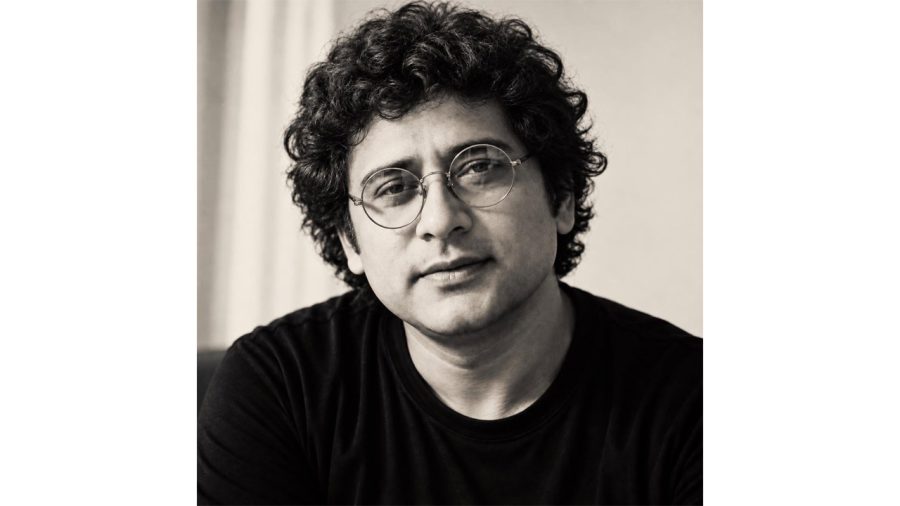



Eighteen lines of poetry became a two-and-a-half-hour cinematic journey. Bringing Jibanananda Das’s Bonolata Sen to the big screen was no ordinary adaptation for director Masud Hasan Ujjal. It demanded painstaking creative work, an experience he is not keen to repeat just yet. With the film now heading to the main competition of the 31st International Film Festival of Kerala (IFFK), Ujjal is ready to leave poetry behind and explore new territory.
“No, not poetry at this moment. I have already done that. Turning poetry into a screenplay takes a lot of hard work. I also don’t want to keep doing the same thing,” Ujjal said when asked whether he would once again draw inspiration from poetry.
His ambitious adaptation has now earned international recognition. Ujjal wrote the film’s story, screenplay and dialogues, transforming the 18-line poem into a feature-length production. The film has secured a place in the main competition of the 31st IFFK in India, where it will represent Bangladesh as the sole entry from the country.
The festival will run in Thiruvananthapuram from December 11 to 18, featuring 14 films from 10 countries in its main competition.

Masuma Rahman Nabila plays the titular character, while Khairul Basar portrays Jibanananda Das. The cast also features Sohel Mondol, Najiba Bashar, Priyonti Urbee, Ruponti Akid, Sharif Siraj and Sumaiya Khushi. Abu Shahed Emon serves as co-producer of the government-funded film.
The film arrived in Bangladeshi cinemas during this year’s Eid-ul-Azha and later reached international audiences through screenings in five Australian cities. However, Ujjal believes its domestic release faced an unfavourable climate.
He points to the country’s overall instability, the lack of an encouraging environment for cinema-going and the arrival of the FIFA World Cup shortly after the film’s release. Together, he feels, these factors kept the film from drawing the audience he had hoped for.




The challenges extend beyond the performance of a single film. Ujjal is also concerned about the country’s shrinking theatrical exhibition opportunities. He believes the exhibition system has become heavily dependent on multiplexes, yet their numbers remain inadequate. This leaves filmmakers with limited opportunities to recover their production investments through cinema screenings.
Despite these challenges, Ujjal is preparing for a busy phase in his filmmaking career. Having grown accustomed to lengthy gaps between projects, he now wants to change that pattern by making two different films back-to-back.
“I usually take long breaks between films. This time, I want to make two different kinds of films. Making them back-to-back would be more convenient for me. I don’t know whether I can pull it off, but that is what I want to do,” he said.
Both projects are already in pre-production, with Ujjal planning to complete the first film and send it into post-production before beginning the second. His casting plans include familiar faces as well as newcomers. He hopes to start shooting within the next three months, although some remaining back-end work could delay the schedule.

One of the projects could be announced within the next month. Ujjal has promised a ‘surprise’ with the announcement.
When it comes to casting, the director has a clear priority: sincerity and discipline. He believes an actor’s commitment matters more than technical ability at the initial stage.
“What I value most is an actor’s sincerity. If someone is sincere, I can take responsibility for the rest. I look at sincerity and discipline first, followed by their ability to perform,” he said.
Television drama and OTT productions are not on his immediate agenda. Ujjal wants to remain focused on cinema, with his next projects marking a fresh creative phase after the demanding journey of Bonolota Sen.