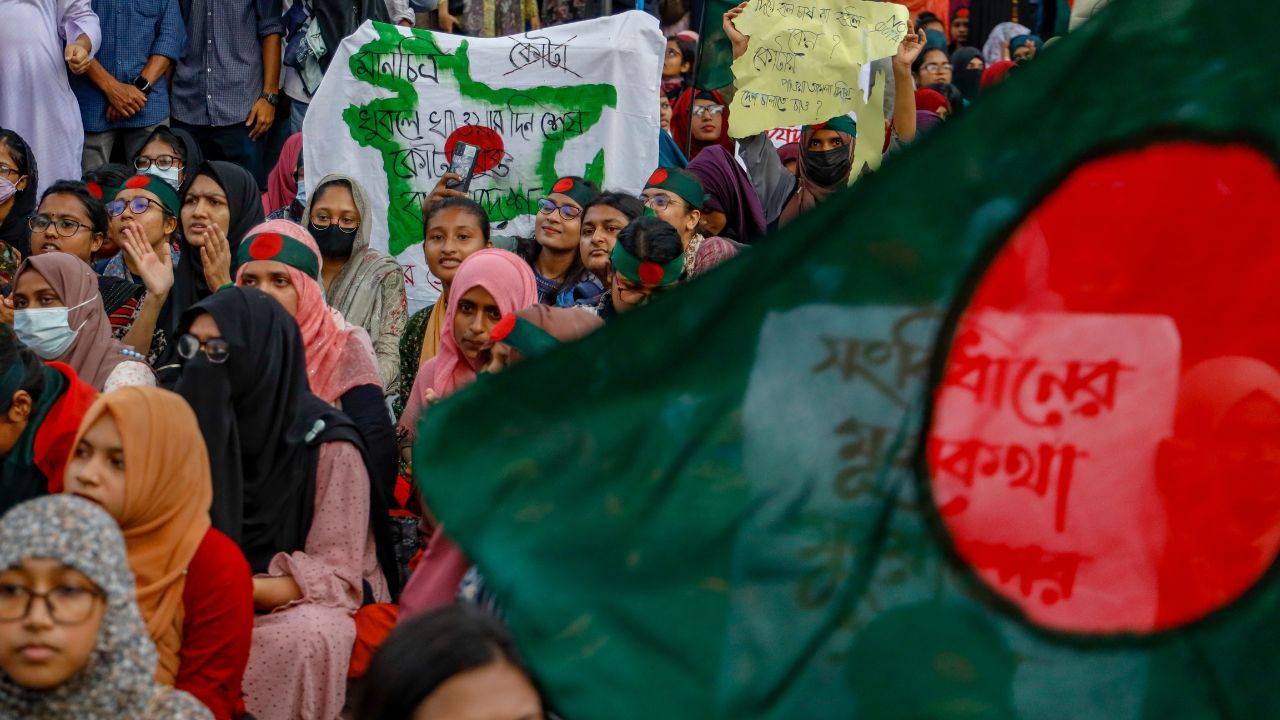
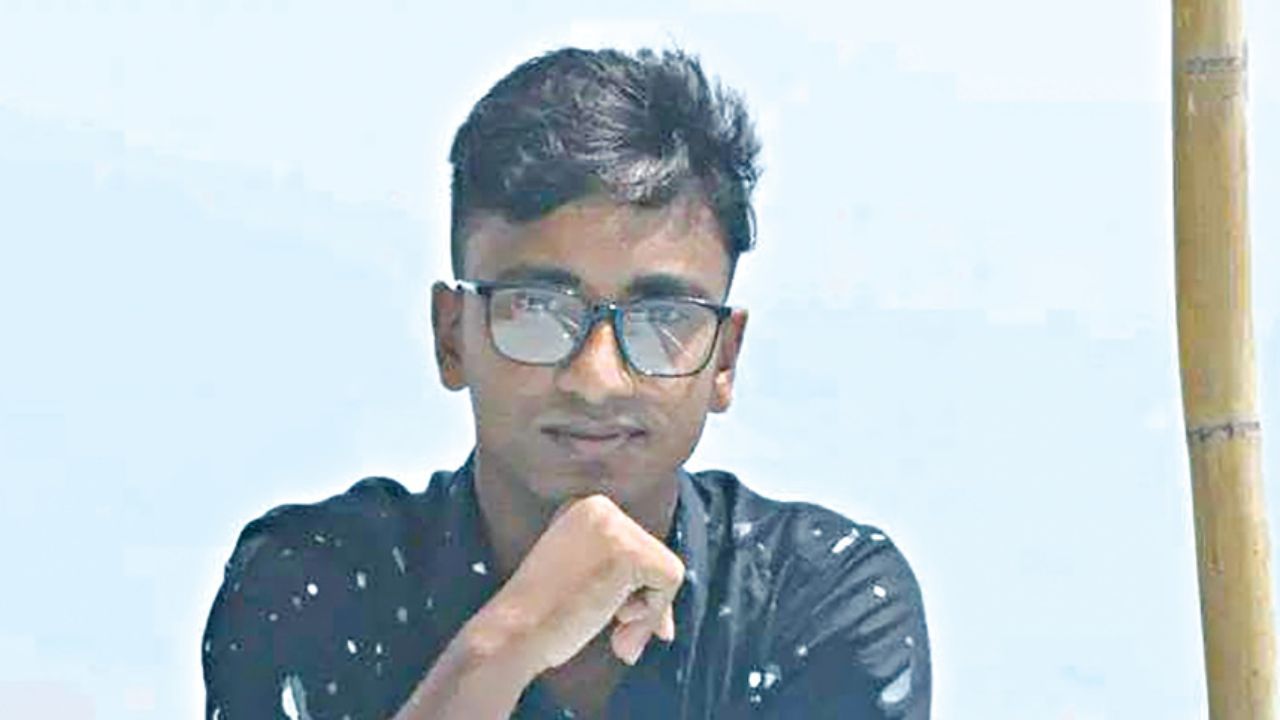
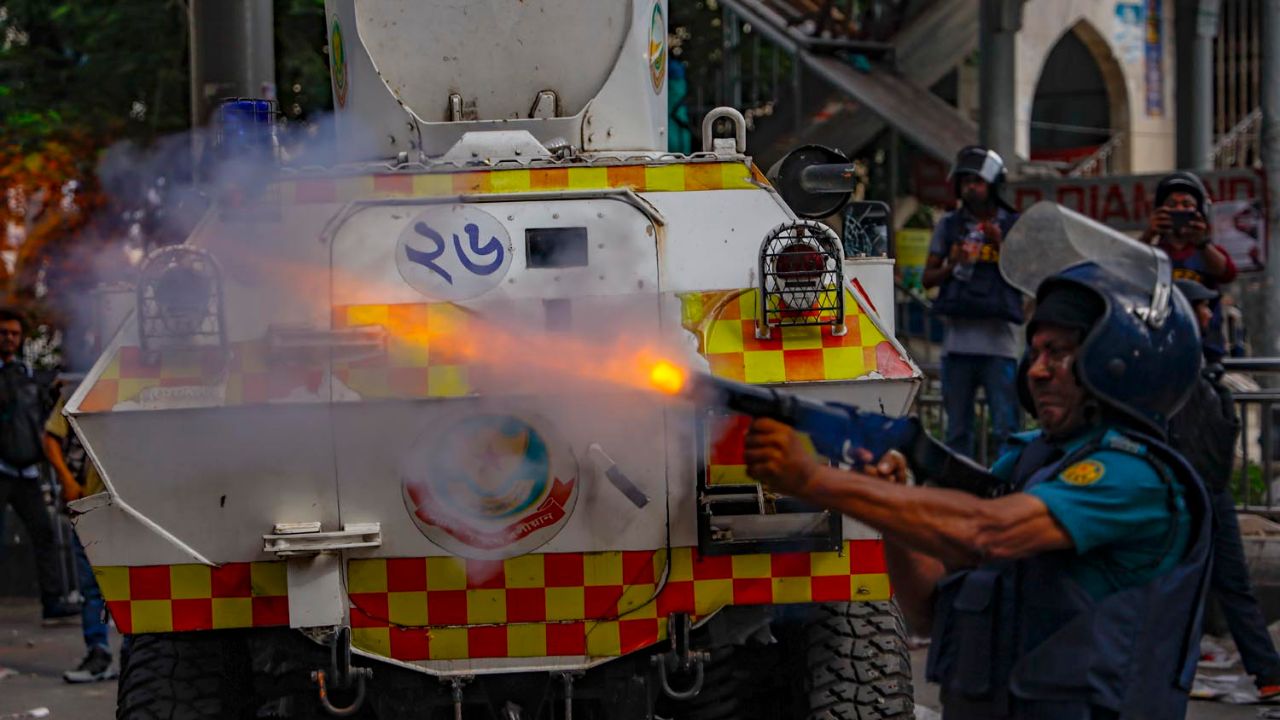
On the afternoon of July 18, 2024, in Uttara’s Azampur intersection, 25-year-old Mir Mahfuzur Rahman Mugdho stood amidst chaos with nothing but compassion in his hands. Tear gas had just been fired at protesters demanding reforms to the quota system. People were choking, stumbling, and searching for breath. And there was Mugdho—offering bottles of water and biscuits, calling out gently, “Water, water, anybody needs water, brother?”
Moments later, a single gunshot shattered the scene—and many lives along with it. The bullet pierced his forehead, exiting through his right ear. His body crumpled to the ground, a stillness settling over the place he had just filled with care and calm. His friend Zakirul Islam, standing beside him, screamed in disbelief. “We had no weapons. Mugdho was just giving water. They shot him like that. I can never forget that moment.”
Mugdho was declared dead upon arrival at Crescent Hospital. He was 25 years old.
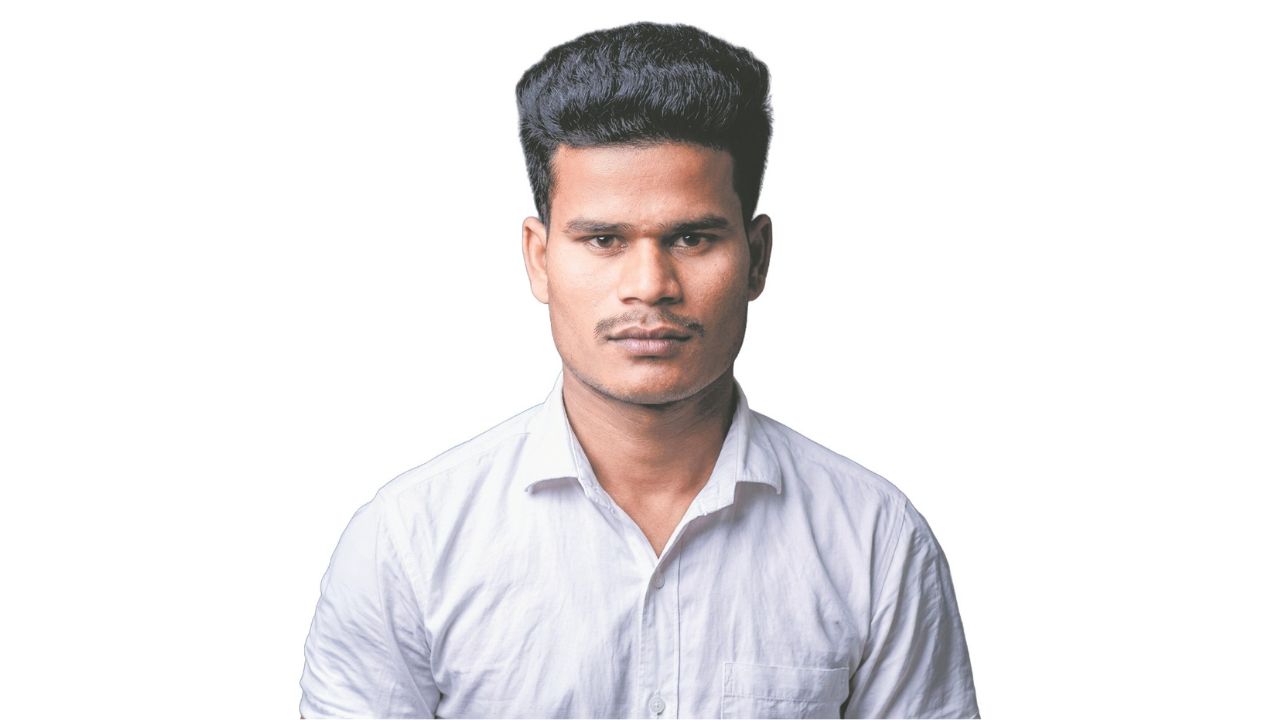
Mugdho was a twin. He and Mir Mahbubur Rahman Snigdho had never spent a day apart—not really. They were known in their neighborhood as “the twins with the big hearts.” Snigdho had posted a short video that morning showing his brother laughing while helping protesters—an ordinary, kind gesture that would become his last recorded moment.

Their elder brother, Deepto, described losing Mugdho as “losing a piece of myself.” But for their mother, it was something even harder to define. She fainted seven times the day she learned the truth. “Mugdho was her heartbeat,” Deepto said. “She hasn’t been the same since.”
The family had been in Cox’s Bazar when it happened, except for Mugdho and Snigdho. Mugdho had stayed back to attend the protest—and to prepare for a long-awaited trip to Tanguar Haor with his friends on July 20. He was excited. “He had even bought a waterproof phone pouch,” Snigdho recalled.
When the news reached the family, it was nearly 6:30 PM. Deepto scrambled to find a flight to Dhaka, but none were available. He didn’t know how to tell their mother. He first said Mugdho had been lightly injured. Later, that he was hospitalized. Then, in a whisper that broke the silence of the room, he revealed the truth. That whisper became a scream. A life shattered. A mother collapsed.
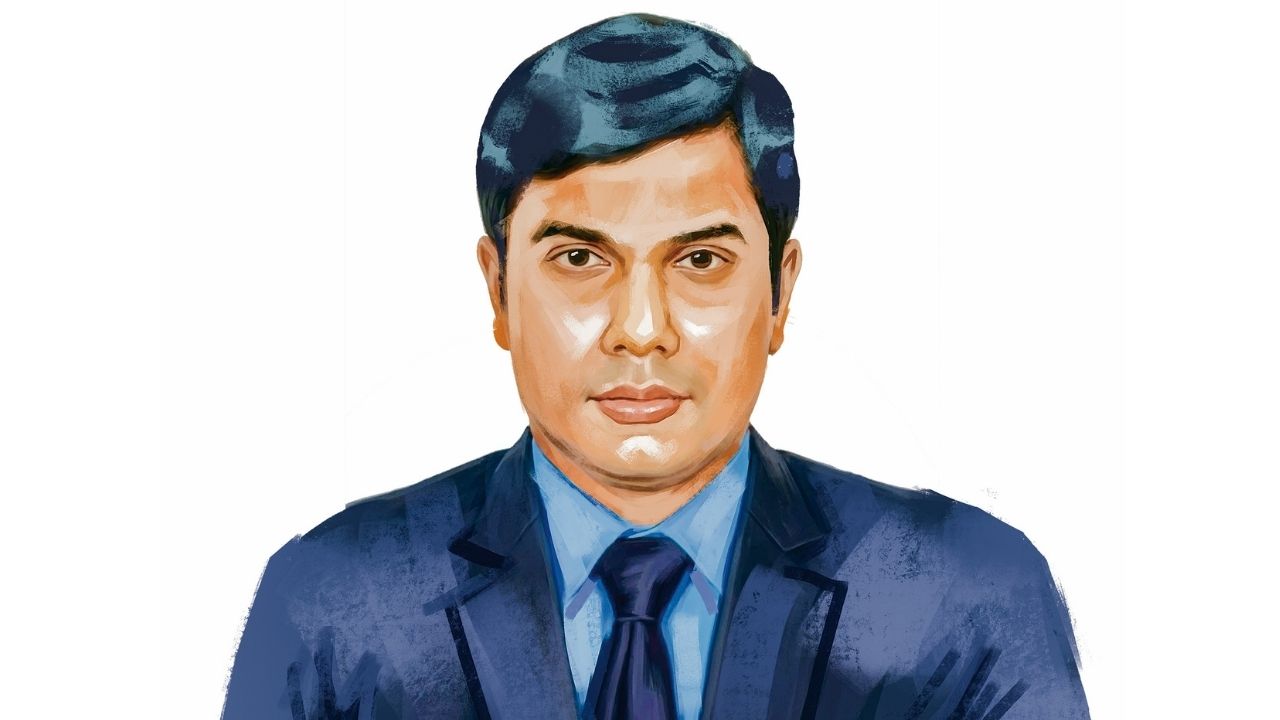
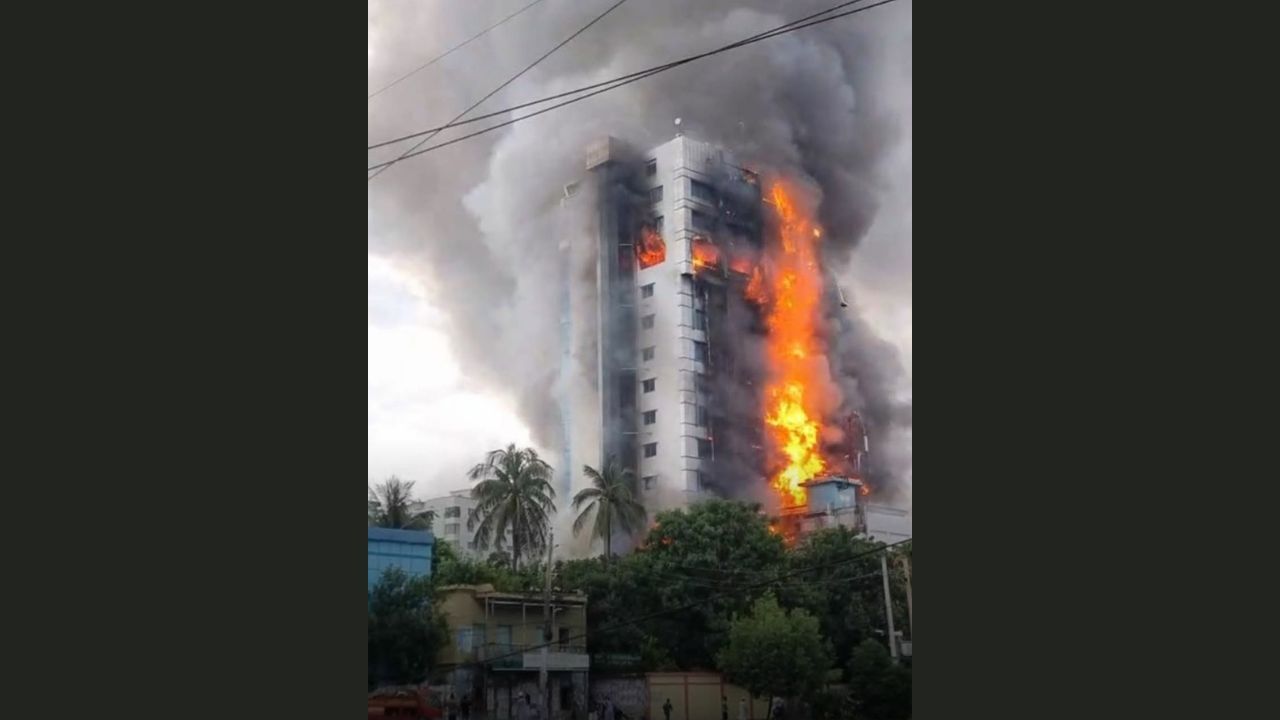

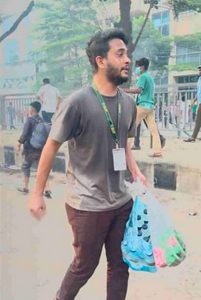
Mugdho wasn’t just a student. He was a storyteller. An adventurer. A believer in people.
After completing his degree in mathematics from Khulna University, he moved to Dhaka to pursue an MBA at Bangladesh University of Professionals. He dreamed of higher studies in the Netherlands. But he dreamed of his country, too. He had set himself a mission: to visit all 64 districts of Bangladesh on his motorbike, “Bumble Bee,” and take a photo in front of each district’s circuit house. He had made it to 34 already.
He would upload vlogs and blogs about hidden historical sites, untold stories of rural Bangladesh, the everyday lives of people who rarely made the news. “He wasn’t doing it for likes or views,” his friend Zakirul said. “He was doing it because he believed people mattered. Their stories mattered.”
Mugdho’s death sent shockwaves through the country. The video of him helping fellow protesters before being gunned down was shared across platforms. Thousands attended his funeral. People who had never met him wrote letters to his family, lit candles, posted tributes.
His teacher, Professor Dr Md Azmol Huda, wept during his class while remembering him. “He always smiled, even when he was tired. He lifted others up. He was a rare student, a gem.”
In his honor, the Bangabandhu Mukta Manch in Uttara was renamed “Mugdhamanch.” It now stands as a quiet memorial, echoing the voice of a young man who once stood there asking if anyone needed water.
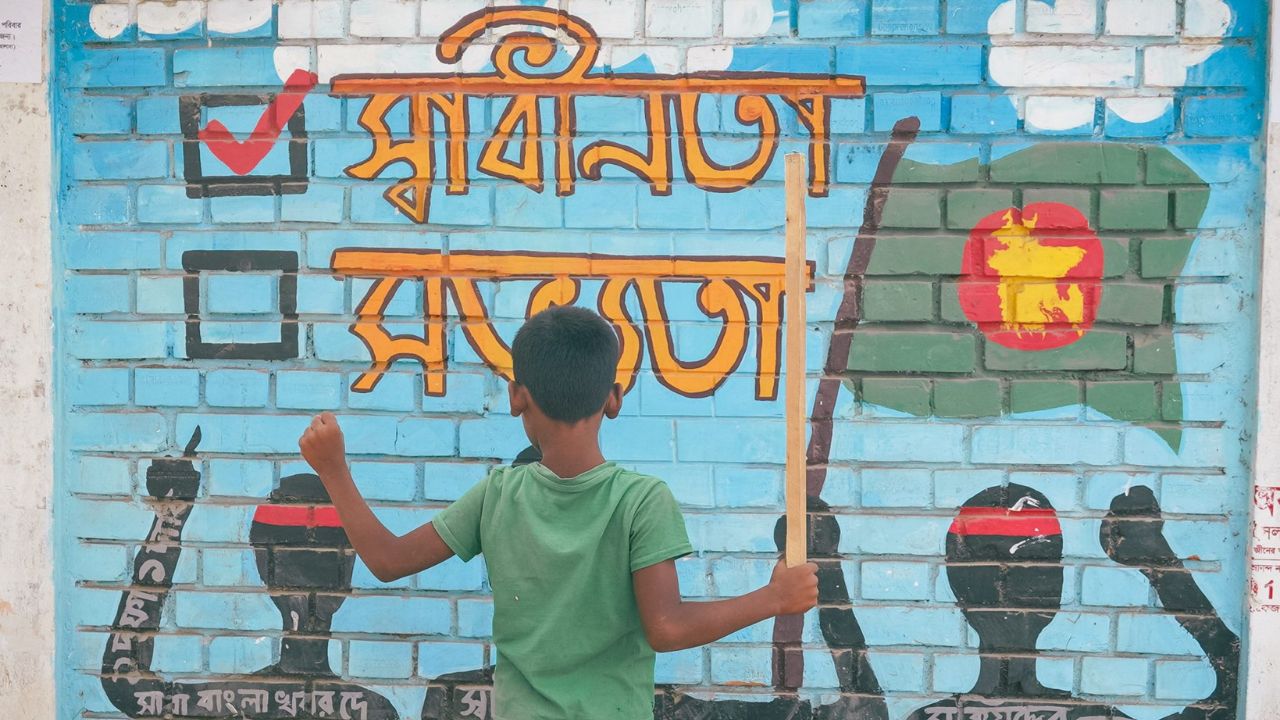
Mugdho didn’t shout slogans. He didn’t carry sticks or banners. His protest was quiet, human—rooted in empathy. He wasn’t trying to be a martyr. He was just trying to help.
But sometimes, the truest measure of greatness is not in grand speeches or victories—but in a bottle of water, offered without fear, in the middle of chaos.
That’s who Mir Mahfuzur Rahman Mugdho was. And that’s how he’ll be remembered.