


Girls must not be seen merely as victims of climate change but recognised as leaders, decision-makers and active contributors to building resilient communities, Ismaili CIVIC Bangladesh Lead Munira Ahmed Fidai said at a dialogue in Dhaka.
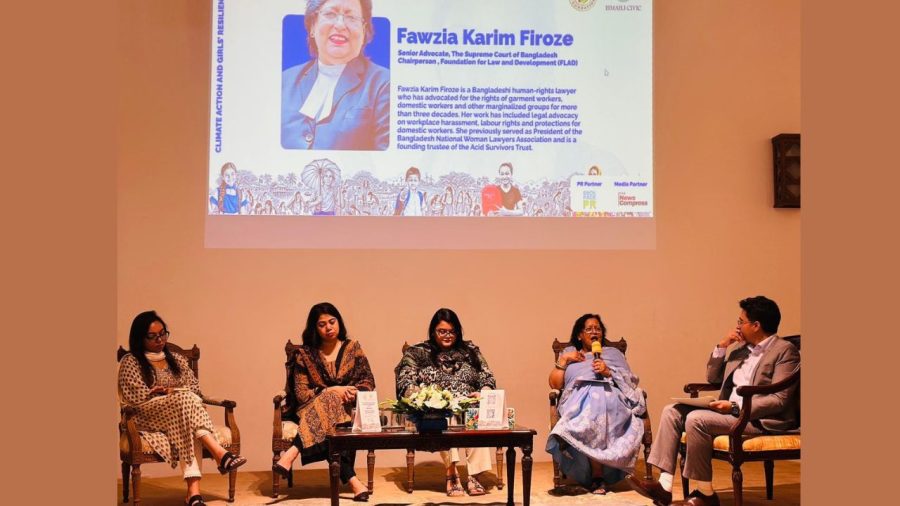
The event, recently organised by It’s Humanity Foundation (IHF) and Ismaili CIVIC Bangladesh at the Ismaili Jamatkhana and Centre in Bashundhara, observed the International Day of the Girl Child and National Girl Child Day. It examined how climate-related challenges intensify economic and social pressures that contribute to child marriage in Bangladesh, said a press release on Saturday.
Delivering the keynote, IHF Founder and Executive Director Md Adnan Hossain said climate change and child marriage cannot be addressed in isolation. Climate disasters disrupt girls’ education, reduce household incomes and increase their responsibilities at home, worsening existing inequalities, he said.

“A storm may disrupt a family’s life. A flood may wash away a classroom. But a crisis should never be allowed to wash away a girl’s choices,” he added.




The first panel was moderated by IHF Advisor Shamima Akhter and featured Centre for Climate Change and Environmental Research (C3ER) Deputy Director Roufa Khanum; Supreme Court of Bangladesh Senior Advocate Anita Ghazi Rahman; Citibank, Bangladesh Vice President and Head of Corporate Affairs Rumana Ahmed; and Gender Equality and Inclusion Specialist Afsana Chowdhury.
The second discussion was moderated by IHF Co-Founder Syed Fazle Niaz and featured Supreme Court of Bangladesh Senior Advocate Fawzia Karim Firoze; Buro Bangladesh Head of Research, Gender and Climate Lead Maimuna Zahra Fariha; AMAL Foundation Founder and Executive Director Esrat Karim Eve; and Global Strategic Communications Council Country Lead Farah Anzum.
Panelists said building climate resilience must extend beyond emergency relief to ensure families recover from climate shocks without compromising girls’ education, safety and future opportunities. They stressed strengthening protection systems, expanding access to education and economic opportunities, and ensuring girls participate in climate action and decisions affecting their lives.
Established in 2010, IHF is a non-profit working to address poverty through education, women’s empowerment, youth skills development and emergency relief. Ismaili CIVIC is a global volunteer initiative of the Shia Ismaili Muslim community promoting community service and environmental sustainability.