On 24 April 2026, Bangladesh received a devastating blow. The country now ranks fourth among the top 10 nations battling severe food insecurity, according to the 2026 Global Report on Food Crises (GRFC). This report, grounded in data from the United Nations, European Union, and key humanitarian organisations, delivers a grave warning: in 2025, almost 1.6 crore Bangladeshis faced extreme acute food insecurity. This isn’t just a statistic; it is a blaring siren about the dire situation facing a country whose economy is built on three critical pillars: agriculture, ready-made garments (RMG), and remittances. Today, the defenders of these vital industries, farmers, RMG workers, and remittance earners, are confronted by unprecedented, urgent challenges.
To understand the magnitude of the crisis, it is also important to understand the global and domestic challenges. Bangladesh is a development success story, with dramatic poverty reduction, growth in agricultural production and exports. However, there is an international dependence. This has been revealed by the current Middle East crisis, which has disrupted the food supply chain, energy prices, labour markets, and, by extension, food security.
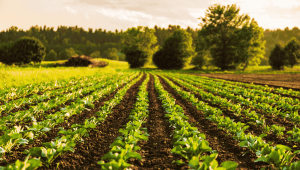
The first pillar of agriculture continues to support rural Bangladesh. Bangladesh is now industrialised, but many citizens are involved in agricultural activities. However, the global food crisis has led to increased prices for fertiliser, fuel and water (irrigation), key agricultural inputs. The Middle East war has also led to a rise in oil prices, which affects transport and production costs. Farmers with low profit margins are squeezed. Climate change, floods, salinity and erratic rainfall compound the problems. Farmers’ misfortune threatens our food security.
The second sector, RMG, is also at risk. RMG is the largest export sector, and millions of people, mostly women, depend on it. Yet it is very sensitive to global economic factors. The instability in the Middle East has led to global geopolitical uncertainty and a decline in confidence in the West. Inflation in importing countries reduces demand for non-essential products, such as apparel. With fewer orders, factories cut production, lay off workers, or reduce pay. This has a direct impact on food security – less money to buy food. In a country where millions of families survive on daily work, the stoppage can lead to food crises.

The Middle East crisis has had the greatest impact on the third leg of foreign remittances. There are many labourers in the Gulf. These remittance warriors send billions every year, helping rural communities and the economy. However, worldwide geopolitical, economic, and labour-market uncertainties in host countries threaten this livelihood. Remittances are affected by job losses, wage reductions or delayed paydays. Remittance loss removes the buffer for millions of families against high food prices. This means immediate adverse impacts – reduced consumption, borrowing and insecurity.
The Global Report on Food Crises 2026 reminds us that two-thirds of the world’s population affected by food insecurity in 2025 live in just 10 countries: Afghanistan, the Democratic Republic of Congo, Myanmar, Nigeria, Pakistan, Bangladesh, South Sudan, Sudan, Syria, and Yemen. Bangladesh has the 4th rank – a position no one wants to be in. But the tragedy is that we are not yet fully realising the consequences of this. It is not only about going hungry – it is about being malnourished, having arrested growth, lost productivity and stalled economic growth. It is about dignity.




The sinister nature of the problem is what is most troubling. Food insecurity may not be as dramatic as other crises, such as a natural disaster. It creeps in smaller meals, fewer vitamins and minerals, no breakfast, then starvation. It may be hard for policymakers to recognise and address. For families, it is a silent battle. So, Bangladesh must respond in the short term and the long term. In the short term, social protection needs to be increased. Food, cash transfers, and subsidies on essential goods will help the poor amid rising prices. Hikes in Vulnerable Group Feeding (VGF) and Open Market Sales (OMS) will help. But this requires effective, transparent and non-partisan programs.
In the medium-to-long-term, reforms are needed. This includes making agriculture resilient through climate-smart agriculture, water and fertilisers. Diversification and imports can help ensure food security. The government should also improve the storage and distribution system to minimise food wastage. Diversification is the key to RMG. Value addition and new markets can offset the adverse impact of the demand drop. Further, improving working conditions and social protection of workers can ease the transition.
The remittance policy should be tackled. Bangladesh should enter into agreements with destination countries, diversify its destination markets and provide skill training for workers. It can also ensure the flow of remittances by formalising them and reducing remittance costs. Beyond national policies, Bangladesh should engage more in global food governance. It is a very dependent country with an interest in the stability of the supply chain, fair trade and international responses to issues. Sub-regional bodies can also contribute to food security by sharing resources and knowledge.
Ultimately, food insecurity is a national challenge. Bangladesh must reform its development policy and direction. The three heroes of the economy are farmers, garment workers and remittance earners. They need to be acknowledged, valued and rewarded. Bangladesh must remain vigilant. The signs are clear, and the stakes are high. Past crises and disasters have been overcome, and with strong leadership, effective policies, and decisive actions, the country can succeed again. However, proactive measures are necessary to address the issue.
Bangladesh can improve its food security status amid the changing global food supply landscape by adopting sound, clear, and foresighted policies. First, in the short term, the government will need to secure the food supply chain and public food distribution and avoid price distortions to help the poor. In the medium run, the government will have to prioritise the food production technologies, such as climate-smart agriculture varieties, logistics and storage. Finally, in the long run, Bangladesh will have to focus on sustainable agriculture, food diversity and regional and global collaboration to promote self-sufficiency. It is also essential to have transparent and accountable policy-making for efficiency and confidence. A participatory governance process involving farmers, the private sector, and civil society will also be useful. Today, food security is not only about agriculture, but also national and human security. A comprehensive, progressive, and transparent approach can not only mitigate risks for Bangladesh but also make it a food-secure and self-reliant country in a changing world.
The writer is a Zijiang Visiting Scholar, the Academy of History and Documentation of Socialism, East China Normal University (ECNU), Shanghai, China. Email: [email protected]