Amid mounting concerns over the law-and-order situation and allegations from political parties about the lack of a level playing field, formal campaigning for the upcoming parliamentary election is set to begin on Thursday.
The official campaign period will run until 8am on 10 February, ahead of the parliamentary election and referendum scheduled for 12 February.
On Wednesday, the Election Commission finalised candidate lists across constituencies nationwide by allocating electoral symbols to nearly 2,000 contenders.
From Thursday, candidates will begin door-to-door canvassing, seeking votes directly from the electorates.
The country is expected to see a surge in election rallies, processions and campaign events in the coming days. Candidates and political parties, however, are required to follow the EC’s code of conduct at every stage of the campaign.
Among the major political parties, BNP will kick off its campaign from Sylhet on Thursday, with party chairman Tarique Rahman scheduled to urge voters to back the party’s sheaf of paddy symbol.
Jamaat-e-Islami will begin its election campaign the same day with a public rally in Dhaka-15, the constituency of its ameer, Shafiqur Rahman.
Meanwhile, National Citizen Party said it will formally launch its campaign on Thursday with visits to Mausoleum of Three Leaders and grave of Osman Hadi.

The election, to be held under an interim government formed after the fall of the Awami League regime following a student-led mass uprising in August 2024, is being widely viewed as critical to the country’s democratic transition.
According to EC, a total of 51 political parties are contesting the election.
Altogether, 1,972 candidates—both party-nominated and independents—are competing for 298 parliamentary seats nationwide.
The candidate finalisation process is still under way in two constituencies in Pabna due to boundary-related complications. In Pabna-1, seven nomination papers have been submitted, while five candidates have filed nominations in Pabna-2, the commission said.
The deadline for withdrawal of candidacy in these two seats is 26 January, with symbols set to be allocated on 27 January.
Despite the start of campaigning, several political parties have continued to voice concerns over a deterioration in law and order and what they describe as the absence of a level playing field.
They allege that although candidates from certain parties are openly violating the electoral code of conduct, the local administration is failing to take action against them.


By contrast, the parties claim their own leaders and activists are facing legal action even when no offences have been committed. They have also alleged that known criminals have been released on bail and reactivated on the ground, while candidates and supporters are being subjected to attacks and intimidation.
Campaign rules candidates must follow
The election code of conduct sets out clear instructions on what candidates and political parties may and may not do during campaigning. For the first time, the use of posters has been completely banned. Banners, leaflets and festoons may not be made from non-biodegradable materials, and the use of polythene or plastic is prohibited.
Leaflets, handbills, festoons and banners may display only the candidate’s own election symbol and photograph. No other images may be used. However, candidates nominated by a registered political party are allowed to use a portrait-sized photograph of their current party leader.
For the first time, candidates, their election agents, or others campaigning on their behalf may use social media for electioneering. The condition is that, before campaigning begins, details of the relevant social media platforms — including account names, IDs and email addresses — must be submitted to the returning officer. The use of artificial intelligence for dishonest or deceptive purposes is not permitted.
The misuse of religious or ethnic sentiments for electoral gain is strictly prohibited. Any election-related content published or shared on social media must be verified for accuracy beforehand, according to the code of conduct.
Creating, publishing or circulating false, misleading, biased, hateful, obscene or defamatory information — including attempts to mislead voters or damage the character or reputation of any candidate or individual — is banned.
The code also prohibits holding election rallies or campaign activities abroad, using more than 20 billboards in a parliamentary constituency, and operating drones on polling day or during the campaign period.
Meanwhile, the chief adviser of the interim or caretaker government and members of the advisory council are barred from taking part in election campaigning in support of any candidate.
Concerns over law and order, level playing field
Several political parties have continued to raise concerns over what they describe as a deterioration in the law-and-order situation and the absence of a level playing field in the run-up to the election. Those voicing complaints include BNP, Jamaat-e-Islami, Bangladesh Khelafat Majlis, NCP, and Jatiya Party.
After meeting the chief election commissioner on Wednesday, Bangladesh Khelafat Majlis senior Nayeb-e-Ameer Yusuf Ashraf said the party had formally complained about the lack of a level playing field.
He alleged that although candidates from certain parties were violating the election code of conduct, no action was being taken against them, indicating bias in the electoral process.
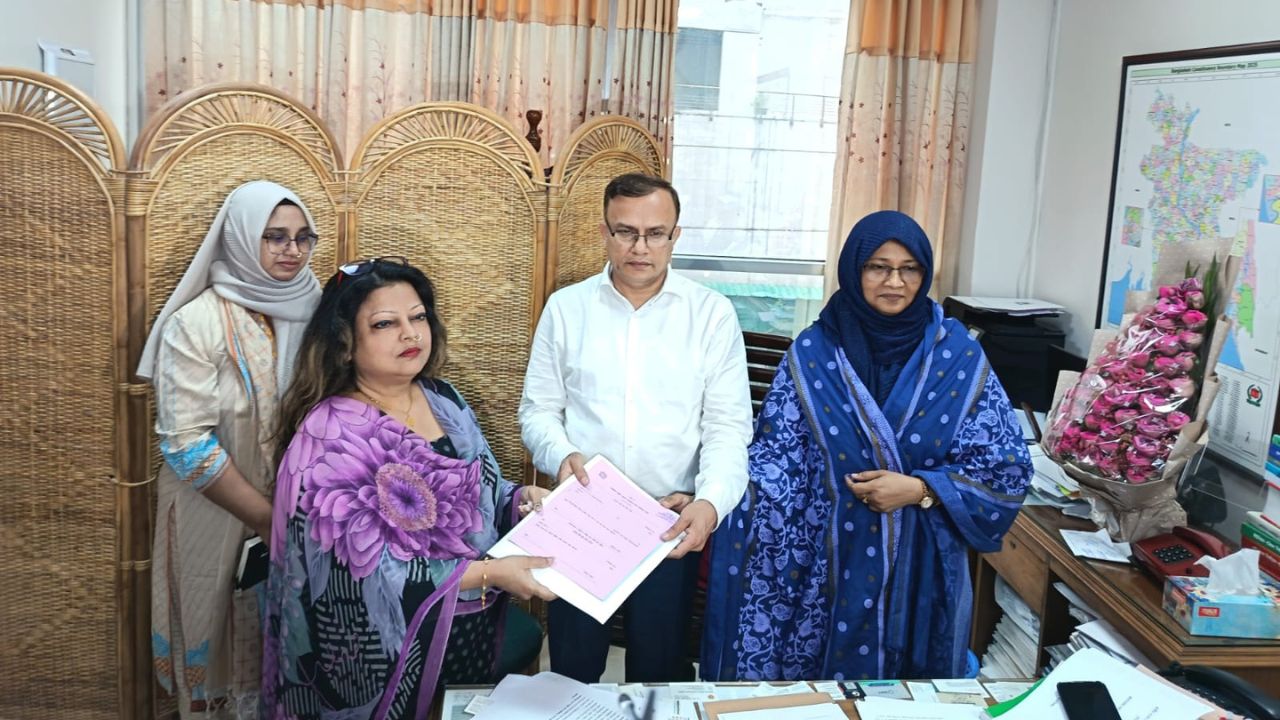
On the same day, in Dhaka-15, Jamaat Assistant Secretary General Ahsanul Mahboob Zubair, who received the scales symbol on behalf of the party’s ameer Shafiqur Rahman, alleged that party leaders and activists were being attacked by criminals.
He also accused law-enforcement agencies and election-related officials of acting in a biased manner, claiming they were leaning towards a particular party. He said a complaint had been lodged with EC.
BNP has also questioned the existence of a level playing field. After meeting the chief election commissioner on Sunday, BNP Secretary General Mirza Fakhrul Islam Alamgir said the party had received allegations that returning officers, superintendents of police and officers-in-charge in various constituencies were “openly working” in favour of one party.
Abdul Alim, a member of defunct Election System Reform Commission, told TIMES of Bangladesh that allegations from political parties over the lack of a level playing field, administrative bias and law-and-order concerns are likely to intensify in the coming days.
He said any violation of the election code of conduct must be met with legal action to ensure fairness on the ground. Stressing the need for a firm approach, he added that the Election Commission must also closely monitor the law-and-order situation to prevent it from deteriorating.
305 candidates withdraw, leaving 1,972 contenders
According to EC, a total of 305 candidates have withdrawn their nominations, leaving 1,972 contenders competing in 298 parliamentary constituencies.
Within the stipulated timeframe, 2,580 nomination papers were submitted for the country’s 300 seats. During scrutiny conducted between 30 December and 4 January, the nominations of 725 aspirants were cancelled, leaving 1,855 valid candidates.
A total of 645 appeals were later filed against the returning officers’ decisions. Following appeal hearings, over 400 candidates regained their candidacy.
Postal voting begins
Voting by postal ballot has begun following the allocation of election symbols to candidates. Overseas voters have been asked to cast their ballots and submit them to post offices by 25 January to ensure timely delivery.
A total of 772,542 expatriate voters have registered to vote in this election.
In a statement issued on Wednesday, EC warned that ballots posted after 25 January risk failing to reach returning officers within the prescribed timeframe. It urged expatriate voters to complete the process and send their postal ballots through the nearest post office by the deadline.